



In Hudson and Hastings, the seasons don’t just change the weather—they change the air inside your home. Spring brings pollen, summer adds humidity, and winter traps pollutants. These shifts gradually impact your comfort, health, and indoor air quality. That’s why it’s important to understand what’s in your air and what you can do about it.
In this article, we’ll explore the region’s most common indoor air quality pollutants and share practical ways to improve the air you breathe. Healthy air isn’t a luxury. It’s the foundation of a healthier home.
Common Indoor Air Quality Pollutants for Wisconsin Homeowners
From older homes to extreme seasons, homeowners in Hudson, Hastings, and nearby areas face distinct indoor air quality challenges. Knowing the most common pollutants is the first step to a safer home.
1. Radon
Radon is an odorless, radioactive gas and a leading cause of lung cancer. It’s common in Ellsworth and Osceola, where glacial soils and fractured bedrock allow it to rise through foundation cracks.
2. Carbon Monoxide (CO)
CO from gas furnaces, water heaters, and fireplaces is a major concern in winter—especially in places like Hudson, which has a long heating season. Low exposure causes fatigue; high levels can be fatal. Every home should have working CO detectors.
3. Volatile Organic Compounds (VOCs)
Found in paints, cleaning products, and furnishings, VOCs build up indoors. They’re more common in newer homes around Hudson and Hastings because tighter construction and new materials allow less airflow and more chemical off-gassing.
4. Mold and Mildew
Moisture from snowmelt, summer humidity, or hidden leaks can lead to mold growth, particularly in older homes or poorly ventilated basements. Mold spores often trigger allergies and asthma.
5. Particulate Matter (PM2.5 and PM10)
These fine particles come from wood-burning stoves, fireplaces, cooking, and wildfire smoke. In winter, indoor use of fireplaces can increase indoor pollution. In summer, outdoor air quality often declines across Wisconsin and Minnesota due to wildfire smoke and agricultural activity. Particulate matter can aggravate asthma and heart conditions, especially in children and older adults.
6. Asbestos
Asbestos, commonly found in homes built before the 1980s, becomes hazardous when disturbed. Inhaled fibers can lead to serious illness, so it’s important to have older homes professionally assessed before any renovations.
How to Improve Indoor Air Quality
In Eastern Wisconsin and Western Minnesota, long winters and well-sealed homes present indoor air quality challenges. If you’re wondering how to improve indoor air quality, several proven solutions can help you maintain cleaner air and improve comfort, health, and energy efficiency year-round.
- Regular Scheduled HVAC Maintenance: Regular HVAC tune-ups and filter changes help reduce allergens, improve system efficiency, and prolong the system's lifespan. This is particularly important during Hudson's winters and Hastings' pollen-heavy spring months.
- Duct Cleaning or Repair: Homes in older areas, such as Ellsworth or Osceola, often have aging ductwork that leaks, collects dust, or recirculates debris. Professional duct repair helps restore clean, consistent airflow and prevents pollutants from spreading through your home.
- Whole-House & UV Air Purifiers: Advanced purification systems remove VOCs, pollen, and fine particles from your air. For families with asthma or allergies, these systems offer year-round relief. It is extra beneficial in Hastings, where seasonal wildfire smoke can drift in from the west.
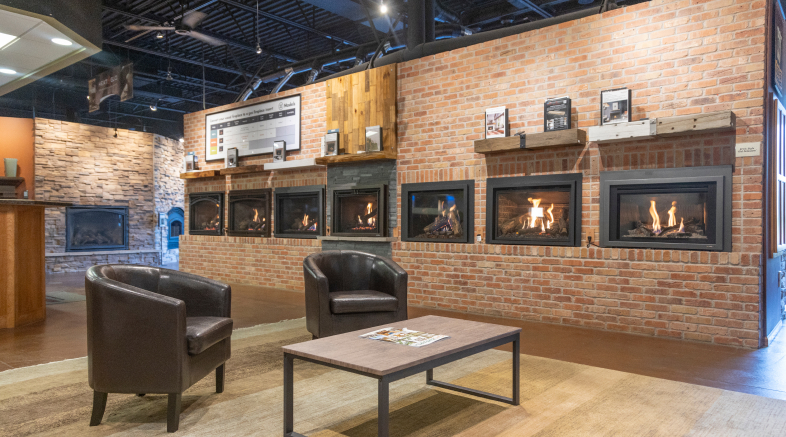
- Fireplace Upgrades: Wood-burning fireplaces are still standard in homes throughout Western Wisconsin, but they’re also a leading source of indoor particulate pollution during winter. Switching to a gas or electric model offers ambiance without the respiratory impact.
- Humidity Control: Summers in Hastings and nearby areas bring high humidity, which can promote mold growth and attract dust mites indoors. Whole-home dehumidifiers help regulate indoor moisture, reducing allergy triggers and protecting your home from damage.
Ventilation Improvements: In energy-efficient homes, like many newer builds in Hudson, airtight construction can limit natural airflow. Energy Recovery Ventilators (ERVs) bring in fresh, filtered air without compromising energy savings, helping to prevent pollutant buildup during prolonged, closed-window winters.
Health Benefits of Improved Indoor Air Quality
Clean air has a direct impact on your health, energy, and overall well-being. In Eastern Wisconsin and Western Minnesota, the right improvements can make a lasting difference for your family.
- Reduced Allergy and Asthma Symptoms: In towns like Hastings, pollen levels run high in spring, and mold risk increases during summer. Clean indoor air helps reduce asthma and allergy flare-ups by minimizing triggers such as pet dander, mold spores, and dust mites.
- Improved Respiratory Health: Fewer airborne irritants mean reduced inflammation in your lungs and airways, leading to easier breathing and a lower risk of respiratory illness.
- Enhanced Sleep Quality: Cleaner air means less congestion and nighttime coughing. This supports more restful sleep.
- Lower Risk of Chronic Illness: Extended exposure to indoor pollutants is linked to long-term health issues like cardiovascular disease and certain types of cancer.
- Boosted Immune Function: With fewer irritants in the air, your immune system can work more efficiently. This is important during colder months when homes are often sealed, and viruses circulate indoors.
- Reduced Headaches and Fatigue: Poor air quality can contribute to mental fog and fatigue. Improving airflow helps restore focus and energy levels.
- Improved Mental Health and Comfort: Fresh, balanced air contributes to a calmer home environment. Clean air helps reduce stress and supports emotional balance.
Conclusion
Indoor air quality affects more than comfort—it protects your health and your home. From radon and VOCs to humidity and seasonal allergens, indoor air quality pollutants can build up quickly. However, once you understand how to improve indoor air quality, you can take simple, lasting steps to protect your space.
At Comfort by Design, we proudly serve Ellsworth, Osceola, Hudson, and Hastings with trusted solutions tailored to your region and your needs. Whether you're managing winter pollutants or upgrading an aging system, we're here to help.
Contact us today to support the health of your home—and everyone in it.
With hot, humid summers and bitterly cold winters, keeping your home comfortable in Wisconsin can come at a high cost. But geothermal systems offer a smarter, more sustainable option, using the steady ground temperature to deliver efficient, year-round heating and cooling, reducing energy use and monthly bills.
For homeowners in Hudson, Osceola, Ellsworth, and Hastings, geothermal advantages include long-term comfort, reliability, and a proven way to lower costs while increasing home efficiency.
What Are Geothermal Heat Pumps & How Do They Work?
Geothermal heat pumps (GHPs), also known as ground-source heat pumps, offer an efficient, sustainable solution for year-round comfort. Unlike traditional HVAC systems that rely on fluctuating outdoor air temperatures, geothermal systems use the earth’s naturally stable underground temperature to provide consistent heating and cooling.
How Geothermal Systems Work
- Underground Loop System
A series of pipes is buried vertically or horizontally beneath your yard. This closed-loop system circulates a water-based solution that absorbs or releases heat, depending on the season. - Heat Exchange Process
- During winter: The system extracts warmth from the ground and delivers it indoors.
- During summer: The process reverses, removing heat from your living space and transferring it back underground.
- Heat Distribution
Once the system reaches the desired temperature, it delivers heated or cooled air through ducts or radiant floor systems.
Accessibility: Rebates and Tax Credits in Hudson, Osceola, Ellsworth, and Hastings.
Federal Tax Credits
Homeowners in Hudson, Osceola, Ellsworth, and Hastings may qualify for federal tax credits when installing a geothermal system. Available for primary and secondary residences (excluding rentals), these incentives can be claimed using IRS Form 5695.
The credit helps reduce upfront costs and makes clean energy upgrades more accessible. That’s especially important in rural areas like Ellsworth, where high-efficiency systems can be harder to access, and long-term savings carry even more weight.
Wisconsin Focus on Energy Rebates
For homeowners across Wisconsin, the Focus on Energy program offers rebates for installing ENERGY STAR®-certified geothermal systems. These units meet EPA efficiency standards and help lower installation and long-term utility costs, making upgrades more practical statewide.
Xcel Energy Rebates (Wisconsin and Minnesota)
Xcel Energy offers rebates for qualifying geothermal systems in Wisconsin and Minnesota. To qualify, homeowners must be Xcel Energy customers and meet efficiency standards. These incentives help reduce upfront costs and promote more sustainable heating and cooling, especially in high-use areas like Hastings.
Minnesota's Proposed Geothermal Rebate Program
Minnesota is considering legislation to launch a state-level geothermal rebate program supporting installing ENERGY STAR®-certified systems. If approved, the initiative would offer rebates covering up to 15% of system costs (up to $100,000 per project) for eligible applicants, including homeowners, businesses, nonprofits, and government entities.
To qualify, applicants must own the Minnesota property, complete an energy audit, and use a qualified contractor. The proposed program reflects Minnesota’s broader commitment to energy efficiency by helping reduce the upfront cost of sustainable heating and cooling systems.
Wisconsin & Minnesota Ground Temperatures: Ideal for Geothermal
Wisconsin and Minnesota offer ideal ground conditions for geothermal systems. Just a few feet below the surface, the soil maintains a steady temperature (typically between 45°F and 55°F year-round) regardless of extreme weather above ground. This stability offers key benefits:
- Lower energy consumption
- More consistent indoor temperatures
- Less wear and tear on your equipment
4 Additional Advantages of Geothermal Energy
Geothermal systems stand out for their reliability, efficiency, and value. Here are 4 advantages of geothermal energy that make it an ideal choice for homeowners in Wisconsin and Minnesota.
- Outstanding Energy Efficiency
Geothermal systems deliver 300% to 500% efficiency, producing 3–5 times more energy than they consume. This leads to lower utility bills and reduced environmental impact—two of the most compelling geothermal advantages. - Exceptional System Longevity
Geothermal systems are built for the long haul. The underground loop system can last 50 years or more, while indoor components typically provide reliable service for 20 to 25 years. This lifespan far exceeds that of most conventional heating and cooling equipment. - Minimal Maintenance Requirements
With fewer moving parts and durable, buried infrastructure protected from the elements, geothermal systems require far less routine maintenance than traditional systems. This helps reduce service costs and lowers the risk of unexpected repairs. - Environmentally Responsible Operation
Geothermal systems produce virtually no direct greenhouse gas emissions and dramatically reduce reliance on fossil fuels by harnessing renewable thermal energy from the earth.
Together, these 4 advantages of geothermal energy offer a powerful combination of comfort, energy savings, and long-term value for today’s informed homeowner.
Ready to get started or still exploring your options? We’re here to help you learn more about geothermal advantages. Contact us today or schedule an appointment to discover how homeowners across Wisconsin and Minnesota save energy, reduce costs, and stay comfortable year-round.
In communities like Ellsworth, Hudson, Osceola, and Hastings, where long winters and hot summers push comfort systems to their limits, smart thermostats are becoming a must-have for Midwest homeowners. These devices do more than adjust the temperature. They optimize energy use, adapt to your daily habits, and provide real-time insights into how your home consumes energy.
Heating and cooling account for more than half of the average U.S. household’s total energy use, which means your thermostat has a major impact on comfort and cost. Smart thermostats have been shown to save users an average of 10–12% on heating and 15% on cooling annually—translating into hundreds of dollars in energy savings over time.
If you're looking to stay ahead, lower your energy bills, and reduce your environmental footprint, upgrading to a smart thermostat is an investment with lasting returns.
What is a Smart Thermostat?
A smart thermostat is a Wi-Fi-enabled device that automatically adjusts your home’s heating and cooling to provide better comfort, increased efficiency, and enhanced energy savings.
In climate-sensitive areas like Ellsworth, Hudson, Osceola, and Hastings, it offers immediate comfort and long-term value. By reducing energy waste, extending the life of your HVAC system, and lowering utility costs, it’s an upgrade that pays for itself over time.
Notable Features Include:
- Smart Scheduling: Learns your routines and automatically adjusts temperatures to match your daily habits.
- Remote Access: Control your thermostat from anywhere using a smartphone, tablet, or voice assistant.
- Weather Awareness: Adjusts in real time based on outdoor temperatures and conditions.
- Energy Tracking: Provides clear insights into your heating and cooling usage, helping you make smarter choices and save on utility bills.
- Maintenance Reminders: Sends alerts when it’s time to change your filter or schedule system service—helping you protect your HVAC investment.
- Seamless Integration: Works with most smart home platforms like Alexa, Google Assistant, and Apple HomeKit for whole-home automation.
Benefits of Smart Thermostats
Energy Savings
One of the biggest advantages of smart thermostats is their ability to deliver substantial energy savings—especially in the Midwest, where extreme temperature swings can drive up heating and cooling costs. These devices learn your habits and adjust temperatures automatically when you're away, asleep, or during peak pricing hours.
According to ENERGY STAR, smart thermostats can cut heating and cooling costs by an average of 8–15%, with some households saving up to 20% annually. That kind of performance makes smart thermostat installation a great step toward long-term energy savings.
Convenience and Comfort
Gone are the days when you had to manually adjust your thermostat multiple times a day. Smart thermostats offer the ultimate convenience, allowing you to control your home's temperature remotely through a smartphone app. This means you can adjust the settings from anywhere – even when you're away on vacation. Smart thermostats also learn from your habits, so you can enjoy a consistently comfortable temperature without constantly fiddling with the controls.
Weather Adaptation
The Midwest is notorious for its unpredictable weather patterns. Smart thermostats can access real-time weather data, allowing them to adjust your home's temperature based on the current conditions. This feature ensures that your home stays comfortable and energy-efficient, even when the weather outside takes an unexpected turn.
Compatibility with Smart Home Ecosystems
A smart thermostat can be integrated into your existing smart home ecosystem, working seamlessly with other smart devices, such as smart speakers and lights. This integration allows you to create a connected home that responds to your needs automatically. For example, you can set up routines that adjust the thermostat, turn on lights, and play your favorite music when you arrive home from work, all through voice commands or a single tap on your smartphone.
Maintenance Alerts
Regular maintenance of your heating and cooling system is crucial for ensuring its efficiency and longevity. Smart thermostats can monitor your system’s performance and send alerts when it's time for routine AC services or filter changes. This feature not only helps you maintain a comfortable home but also prevents costly repairs in the future.
Environmental Benefits
By optimizing your home's energy consumption, smart thermostats contribute to reducing greenhouse gas emissions. The energy savings associated with these devices can have a significant impact on the environment, making them an eco-friendly choice for Midwest homeowners looking to reduce their carbon footprint.
Why You Should Upgrade to a Smart Thermostat
For homeowners in Ellsworth, Hudson, Osceola, and Hastings, a smart thermostat isn’t just a standard upgrade—it’s a worthy investment in comfort, control, and long-term energy savings. With expert installation and personalized support from Comfort By Design, upgrading your thermostat has never been easier.
Take the next step toward a more efficient, more comfortable home. Contact us today to schedule your smart thermostat installation or learn how we can help you get the most from your HVAC system.
In communities like Ellsworth, Hudson, Osceola, and Hastings—where seasonal extremes push HVAC systems to their limits—performance isn’t a luxury. It’s a necessity.
That’s where SEER and SEER2 ratings come in. These energy efficiency standards directly impact your comfort, energy bills, and system reliability. For homeowners focused on sustainability and smart investment, understanding them is key, especially when evaluating energy efficient air conditioners built for long-term performance.
In this article, you'll find the SEER rating explained, along with how SEER2 compares and what it means for your Wisconsin or Minnesota home.
What is SEER Rating?
The SEER rating, or Seasonal Energy Efficiency Ratio, measures how efficiently an air conditioning system cools your home over an entire season. In simpler terms, the SEER rating is a representation of the cooling capacity of an air conditioner in relation to the energy it consumes. Higher SEER ratings typically indicate energy-efficient air conditioning options that use less electricity while delivering consistent comfort.
Understanding SEER2 Ratings
As of January 1, 2023, the U.S. Department of Energy (DOE) introduced SEER2 (Seasonal Energy Efficiency Ratio 2) as the new standard for measuring HVAC efficiency. Replacing the original SEER system, SEER2 offers a more accurate reflection of how air conditioners and heat pumps perform in real-world conditions.
This update was designed to better represent performance across diverse climates—especially in areas like Western Wisconsin and southeastern Minnesota, where cold winters and humid summers create year-round demands on HVAC systems.
By factoring in external static pressure and utilizing updated testing methods, SEER2 provides homeowners in Ellsworth, Hudson, Osceola, and Hastings with clearer insights, better system comparisons, and greater confidence when investing in an energy-efficient air conditioning system designed for local conditions.
SEER vs. SEER2
While SEER2 is now the industry standard for measuring HVAC efficiency, the original SEER (Seasonal Energy Efficiency Ratio) is still relevant—particularly for systems manufactured before January 1, 2023. If your unit was installed before that date, its efficiency was likely rated using the SEER scale.
When comparing SEER vs SEER2, the biggest difference lies in how the systems are tested and rated for energy efficiency. SEER was based on ideal lab conditions, which didn’t always reflect how systems perform in real homes. SEER2 incorporates updated testing methods that account for external static pressure (the resistance created by ductwork and vents), offering a more realistic measure of performance and energy use.
It’s important to note that a SEER2 rating may appear lower than a SEER rating for the same system. This doesn’t mean it’s less efficient—it simply reflects the more accurate testing approach.
Why SEER & SEER2 Ratings Are Important for Wisconsin & Minnesota Homes:
- Energy Efficiency: A higher SEER rating indicates a more energy-efficient air conditioner. By using less energy to provide the same level of cooling, you can reduce your energy consumption, ultimately lowering your electricity bills and minimizing the strain on the power grid.
- Environmental Impact: Air conditioners with higher SEER ratings are more eco-friendly because they consume less energy, which in turn leads to lower greenhouse gas emissions. By choosing a unit with a higher SEER rating, you are making a more environmentally responsible choice and contributing to the fight against climate change.
- Long-term Savings: Although air conditioners with higher SEER ratings may initially be more expensive, they can lead to significant long-term savings due to reduced energy consumption. Over time, the savings on your electricity bill can outweigh the initial cost difference, making the investment in a more energy-efficient unit financially beneficial.
Benefits of Upgrading Your Home A/C & Furnace Together
Compatibility
Upgrading your AC unit and furnace simultaneously can provide numerous benefits, particularly when it comes to SEER ratings and overall efficiency. When you replace both systems at the same time, you ensure that they are properly matched and designed to work together, optimizing their performance and energy use. This not only enhances comfort but also leads to significant savings on energy bills over time—especially when the system is professionally installed to maximize efficiency and lifespan.
Features
A higher SEER rating means that an air conditioner is more energy-efficient, consuming less power to cool your home. When you purchase a new, high-efficiency AC unit and furnace together, they are more likely to be compatible with the latest technologies and innovations. This includes features such as smart thermostats, variable-speed compressors, and advanced filtration systems. By investing in a matched system with high SEER ratings, you'll maximize energy savings and potentially extend the lifespan of both units.
Incentives
Additionally, when you replace both your AC unit and furnace at the same time, you can take advantage of potential rebates and incentives from manufacturers and utility companies. These offers often reward consumers for making energy-efficient upgrades, and combining the purchase of both systems may make you eligible for more substantial savings.
Conclusion
In Ellsworth, Hudson, Osceola, and Hastings, HVAC systems work hard year-round. That’s why understanding SEER and SEER2 ratings matters. They help you choose a system that delivers reliable comfort, energy savings, and long-term performance.
With SEER2 now the new standard, upgrading to a high-efficiency system is one of the smartest ways to stay ahead of rising utility costs.
Ready to learn more? Talk to the experts at Comfort by Design today. We’ll help you find a system that’s built for efficiency season after season.
As winter temperatures in the Midwest regularly plummet, homeowners are faced with the challenge of keeping their homes warm and comfortable without breaking the bank. One significant step to address this issue is to invest in a high-efficiency furnace. This investment can yield significant savings on energy bills and contribute to a more sustainable environment. In this article, we will explore the importance of a high-efficiency furnace, compare the cost savings between high and low-efficiency furnaces, and showcase why homeowners in the Midwest should make the switch.
The Importance of a High-Efficiency Furnace
Energy Savings
High-efficiency furnaces are designed to convert a higher percentage of the energy they consume into heat, which means less energy is wasted. By upgrading to a high-efficiency furnace, homeowners can save a substantial amount on their heating bills. This is particularly relevant in the Midwest, where heating costs can be a major expense during the long, cold winters.
Environmental Impact
By using less energy, high-efficiency furnaces contribute to a reduction in greenhouse gas emissions. This is especially important as concerns grow about the impact of climate change on our environment. By investing in a high-efficiency furnace, homeowners can do their part to reduce their carbon footprint and contribute to a more sustainable future.
Enhanced Comfort
High-efficiency furnaces provide more consistent and even heating throughout a home, resulting in a more comfortable living environment. In addition, these furnaces often operate more quietly, making them less intrusive and more pleasant to live with.
Cost Savings: Comparing Low-Efficiency and High-Efficiency Furnaces
To illustrate the potential cost savings of upgrading to a high-efficiency furnace, let's compare the expenses associated with low-efficiency (80% efficiency) and high-efficiency (95% efficiency) furnaces.
Assumptions:
- Annual heating cost: $1,000
- Low-efficiency furnace (80%): $800 of the heating cost is converted to heat, and $200 is wasted
- High-efficiency furnace (95%): $950 of the heating cost is converted to heat, and only $50 is wasted
By switching to a high-efficiency furnace, homeowners can save $150 per year on their heating costs. Over the lifespan of the furnace (approximately 15-20 years), this can result in savings of $2,250 to $3,000.
While the initial investment can be higher than a low-efficiency model, the long-term savings make it a financially sound decision. Homeowners may also qualify for rebates and tax incentives, further offsetting the upfront costs.
Conclusion
For Mid-West homeowners, upgrading to a high-efficiency furnace is a wise investment. Not only can it save money on heating bills, but it also contributes to a more comfortable home and a healthier environment. By understanding the difference between low-efficiency and high-efficiency furnaces, homeowners can make informed decisions about their heating systems and enjoy the benefits of increased efficiency and cost savings for years to come.
Click here to request a quote for a High-Efficiency Furnace!
This article was written with the assistance of ChatGPT, developed by OpenAI accessed on 03/21/2023.
An Air Conditioner is highly desired in midwest homes and for many, is a necessity. Having an AC Unit provides clean cool air to your home throughout the warm summer months. Something that a lot of homeowners don’t consider thought is the quality of the air that circulates their home in these warm months. AC Units can get very dirty and, if left uncleaned, will transmit this grimy air throughout your home.
Air Quality
Air Quality is one of the most overlooked aspects of Air Conditioners however, air quality is important for many reasons. Air conditioners have the responsibility to filter out dander, allergens, pollen, and other airborne particles that can be harmful to your health. When your air conditioner is dirty these particles pass right through, without being filtered, and get circulated throughout your home. If there are individuals in your home who have asthma or allergies, having high quality air should be a top priority and something you thrive to achieve in your home.
Efficiency and Life Span of AC Unit
With the seemingly constant increase in price of energy around the world another important factor for your air conditioner is efficiency. When air conditioners go long periods of time without being cleaned or serviced, air will start bypassing the filter and go directly into the evaporator coil which reduces the coil’s heat-absorbing capacity. This leads to a great reduction in efficiency. According to The U.S. Department of Energy, cleaning your air conditioner can lower its energy consumption by 5% to 15%. By keeping your air conditioner clean and well maintained, your unit will last much longer and you will avoid paying the much larger cost of completely replacing your air conditioner in the future.
Reducing your Carbon Footprint
Cleaning your air conditioner is a very simple way to reduce your carbon footprint at a low cost. A dirty or clogged HVAC system leads to large displacement of carbon dioxide as well as other greenhouse gasses. By regularly cleaning your air conditioner you can do your part in reducing the carbon footprint we leave on this planet.
Who should you trust to clean your air conditioner?
It’s important to go to a professional when getting your AC cleaned or for maintenance. Comfort by Design is proud to provide the industry leading air conditioning service and maintenance. This spring we are offering our Early Bird Spring AC Cleaning Special for only $79! This includes a Tune-up & Safety Inspection to help keep your unit in great condition and leave you carefree about the high temperatures ahead. This deal is only for a limited time, regular price is $170. Call 800-370-6545 or schedule an appointment here to get started!