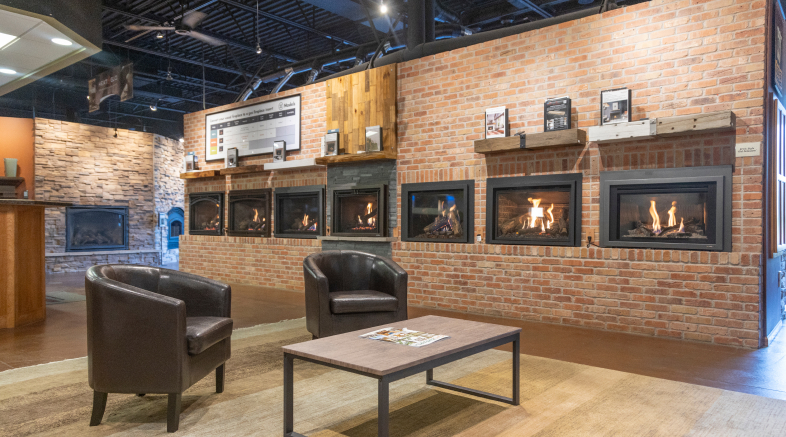




When winter settles in across Minnesota and Wisconsin, there’s nothing like the warmth and glow of a crackling fire. The best wood-burning fireplace insert not only adds ambiance but also delivers reliable heat. The key is finding the right insert.
For decades, Comfort by Design has helped homeowners upgrade their fireplaces with high-efficiency inserts. Our team understands the demands of our region’s long winters. We provide expert guidance to ensure your system performs when you need it most.
While there are excellent options on the market today, the “best” insert depends on your home. That’s why we recommend starting with a personalized consultation.
Comfort by Design will walk you through your choices, match the right model to your space, and handle professional installation from start to finish.
Key Features of the Best Wood Burning Fireplace Insert
For Minnesota and Wisconsin homeowners, the best models are built to handle heavy use. Key features to look for include:
- High Efficiency: EPA-certified models with efficiency ratings of 70% or higher deliver more heat from less wood, helping you stay warmer while keeping costs down.
- Durable Materials: Inserts constructed from cast iron or steel hold heat longer and perform reliably through the harsh Midwest winters. Lighter materials or thin sheet metal don’t retain heat as well and may wear down faster with heavy seasonal use.
- Advanced Controls: Adjustable air vents let you control how quickly the fire burns and how much heat it produces. Airwash systems push air across the glass to keep it clean, so you always have a clear view of the flames. Many modern inserts also use secondary burn technology, which re-burns smoke for extra heat and fewer emissions.
Top Recommendations for Minnesota and Wisconsin
When it comes to wood-burning fireplace inserts, a few models stand out for their performance, durability, and ability to handle the demands of winter:
- Regency Pro-Series CI2700: With a 77% efficiency rating and powerful heat output, the CI2700 is a great option for homeowners who want steady, dependable warmth on the coldest nights
- Blaze King Princess 29: With up to 82% efficiency, this model can burn through the night on a single load of hardwood. Its mix of efficiency and long burn times makes it a top choice for Midwest homes.
- Lopi Endeavor: With an efficiency rating around 76% and a durable steel stove with a cast iron door, the Endeavor is a strong choice for older chimneys. It pairs timeless design with modern heating technology for reliable comfort year after year.
While each of these models excels in different ways, the best option always depends on your specific fireplace and home. Comfort by Design’s team is here to walk you through the choices, answer your questions, and recommend the insert that’s the perfect match for your lifestyle and space.
Minnesota and Wisconsin-Specific Considerations
Choosing the right wood-burning fireplace insert isn’t just about style. It’s about meeting the demands of our climate and housing.
Harsh Winters
Subzero temperatures are a regular part of life here, which means the best fireplace inserts must provide reliable supplemental heat. A well-chosen insert helps by capturing heat that would otherwise escape up the chimney and radiating it back into your living space, reducing furnace run-time and keeping rooms consistently comfortable.
Older Homes
Many Minnesota and Wisconsin houses have traditional masonry fireplaces, which look great but lose much of their heat through the chimney. Retrofit inserts are built to slide right into these spaces, sealing off drafts and pushing more warmth back into the home. This upgrade improves efficiency without the need for major chimney changes, so you can keep the charm of an older fireplace while gaining modern performance.
Wood Sourcing
Seasonal wood availability can pose challenges. For the best performance, homeowners should plan ahead and stock up on dry, seasoned hardwood like oak, maple, or birch. Local hardwoods burn hotter and cleaner, making them ideal fuel for high-efficiency inserts.
Benefits of Choosing the Best Wood Burning Fireplace Insert for Your Home
A good insert does more than warm the room. It cuts heating bills, keeps the air cleaner, and makes long winters a lot more comfortable.
Energy Savings
Efficient inserts keep more heat in your home instead of letting it escape up the chimney, easing the load on your furnace and lowering heating costs.
Improved Indoor Air Quality
Modern inserts use advanced combustion technology that burns wood more completely. This reduces smoke and particulate emissions inside your home, keeping the air cleaner and healthier for your family.
Comfort and Ambiance
Beyond practical benefits, inserts provide the timeless appeal of a real wood fire. The glow, crackle, and steady heat create a welcoming space that makes homes in Minnesota and Wisconsin feel inviting all season long.
Why Choose Comfort by Design for Your Fireplace Insert Recommendation and Installation
The right wood-burning fireplace insert doesn’t just upgrade your living space; it transforms the way your home feels through the heart of a Midwest winter. With an efficient, high-performance insert, you can cut heating costs, enjoy cleaner air, and create the kind of warmth and atmosphere that makes Minnesota and Wisconsin winters feel more inviting.
Comfort by Design has the expertise, the local knowledge, and the hands-on experience to match you with the perfect insert for your home. Our team handles everything from personalized recommendations to seamless installation, so you can enjoy dependable heat and timeless comfort for years to come.
Don’t wait until the cold sets in. Contact Comfort by Design today and discover which wood-burning fireplace insert is the best fit for your home.
Adding a gas fireplace insert is one of the easiest ways to bring comfort, efficiency, and style into your home. Here in Minnesota and Wisconsin, it’s more than a design upgrade—it’s a practical way to make long winters warmer and more enjoyable.
With over 25 years of experience, Comfort by Design has helped families across the Upper Midwest find fireplace solutions that balance performance and budget. Our team understands the unique needs of local homes and offers recommendations you can count on.
This article will walk you through the factors that affect gas fireplace insert cost. However, since every home is different, the best way to get an estimate is to schedule a free consultation with our local experts.
Factors Influencing Gas Fireplace Insert Cost
Gas fireplace insert prices vary based on several factors. Being aware of them helps you select the best option for your home:
Insert Type
The style and features you choose play a big role in cost. A basic, traditional insert is usually the most affordable. Modern models with extras (remote controls, smart-home integration, adjustable flame settings, etc.) are priced higher. These upgrades add convenience but also raise the overall investment.
Size and Efficiency
Larger inserts or models with higher efficiency ratings typically come with a bigger upfront price tag. However, they deliver long-term savings by using less fuel and lowering energy bills. In places with long, harsh winters, efficiency is key to keeping heating costs down.
Installation Complexity
Installation is often where costs vary the most. Some homes may need chimney relining, venting upgrades, or masonry work to ensure safe operation. Direct-vent inserts and retrofits into existing fireplaces also have different requirements, which can affect the installation process and price.
Minnesota and Wisconsin-Specific Considerations
When considering a gas fireplace insert, it’s important to think beyond the unit itself. Local climate, home design, and timing can all influence cost and installation needs.
Supplemental Heat for Harsh Winters
Minnesota and Wisconsin winters often bring weeks of sub-zero temperatures, which can overwork a central furnace. A gas insert adds targeted warmth to main living areas, easing furnace load and helping decrease bills. For many homeowners, that makes a higher‑efficiency or feature‑rich model worth the added cost.
Older Homes and Installation Needs
Numerous homes in areas like Hudson and Hastings were built more than a century ago, which can create extra installation challenges. Older chimneys, aging masonry, or outdated venting systems may need upgrades before adding a gas fireplace insert. While these updates add to the overall investment, they’re essential for safety and preserving the character of historic homes.
Seasonal Demand
Timing your installation can also affect cost and availability. Fall is often the best time to schedule, before peak winter demand sets in. Planning not only helps you secure the unit you want but may also give you more favorable pricing.
Ways to Reduce Gas Fireplace Insert Cost
A gas fireplace insert is a meaningful investment, but there are smart ways to keep costs in check without compromising comfort or quality.
Work with Local Experts
Local installers like Comfort by Design understand older chimneys in historic neighborhoods and the demands of long, freezing winters. That regional know‑how helps get the job done right the first time and avoids costly rework.
Choose the Right Size and Features
Choosing an insert that matches your home’s size and heating needs saves money upfront and over time by preventing unnecessary upgrades. Features like blower fans, thermostatic remotes, and smart‑home integration can also improve comfort and efficiency.
Plan Your Timing
Installing during off-peak seasons, like spring or early fall, often means better availability and sometimes more favorable pricing. Planning ahead also helps you avoid the stress of a mid-winter breakdown when demand is highest.
Why Choose Comfort by Design for Your Gas Fireplace Insert
For over 25 years, Comfort by Design has helped Minnesota and Wisconsin homeowners bring both warmth and style into their homes with high-quality fireplace inserts. We listen to your needs, respect your budget, and provide clear, competitive estimates so there are no surprises along the way.
As a local team, we understand the realities of long winters, the quirks of older homes, and the details of today’s building codes. From recommending the right insert to managing installation start to finish, we make the process straightforward and stress-free.
If you’re ready to enjoy a cozier home this winter, schedule a free consultation with Comfort by Design for a personalized cost estimate you can trust.
Replacing a gas furnace is a big investment for Minnesota and Wisconsin homeowners. With harsh winters pushing systems to their limits, knowing your gas furnace replacement cost helps you plan with confidence.
For more than 25 years, Comfort by Design has helped homeowners across the Upper Midwest replace furnaces with cost-effective solutions. We understand the climate demands and installation quirks that come with local housing styles.
While this article covers key factors that influence gas furnace replacement cost, each home has unique features that shape the final price. The most reliable way to know your cost is to schedule a personalized consultation with our local team.
Factors Influencing Gas Furnace Replacement Cost
When planning for an upgrade, several factors influence your gas furnace replacement cost. Understanding these ahead of time can help you make informed decisions:
Furnace Size
Larger homes in our region often require furnaces with higher BTU ratings (British Thermal Units), which measure heating power. Think of BTUs as the “horsepower” of your furnace—the higher the number, the more heat it produces. The right size provides steady comfort without overworking the system.
Efficiency Rating (AFUE)
A furnace’s Annual Fuel Utilization Efficiency (AFUE) rating shows how well it turns fuel into heat. For example, a 95% AFUE furnace converts 95 cents of every fuel dollar into heat, with only 5 cents wasted. High-efficiency furnaces cost more upfront but cut fuel waste, lowering monthly bills and saving more over the long run.
Installation Complexity
Older homes may need updates like sealing ductwork, replacing outdated gas lines, or adjusting vents before a new furnace can be installed safely. Newer homes usually require less prep work, which makes installation faster and less expensive.
Local Climate Needs
In Minnesota and Wisconsin, furnaces run much harder than in milder climates. Choosing a system built for extreme cold ensures your home stays warm even during the harshest stretches of winter.
Minnesota and Wisconsin-Specific Considerations
Beyond general cost factors, local homes face unique challenges:
Harsh Winters
With weeks of below-zero temperatures, many homeowners opt for high-efficiency furnaces that can handle extreme cold. These systems cost more initially but waste less fuel, helping reduce monthly heating bills.
Older Homes
Many homes in our region still rely on older chimneys or venting systems. A replacement may require ventilation upgrades or chimney relining, which adds to the overall cost.
Seasonal Demand
Replacing a furnace mid-winter often means higher costs and fewer options. By planning your installation for spring or fall, you can save money, avoid emergency delays, and secure faster scheduling with your preferred installer.
Ways to Reduce Gas Furnace Replacement Cost
While a gas furnace replacement is a significant investment, there are ways to manage costs without cutting corners on quality:
Look Into Rebates and Incentives
Many local utilities and state programs in Minnesota and Wisconsin offer rebates or tax credits for installing a high-efficiency furnace. These incentives significantly reduce upfront costs and help you save more over the system’s lifespan.
Work With Experienced Professionals
Choosing a trusted installer like Comfort by Design ensures the job is done right the first time. Proper installation improves productivity and extends your furnace’s lifespan.
Compare Quotes Wisely
Getting multiple estimates helps you understand your options. Just remember—the lowest bid isn’t always the best. Consider reputation, warranty coverage, and overall value.
Why Choose Comfort by Design for Your Gas Furnace Replacement
For more than 25 years, Comfort by Design has provided Minnesota and Wisconsin homeowners with accurate, competitive furnace replacement estimates. We take the time to explain every option, so you know exactly what you’re paying for—no hidden fees, no surprises.
Because we live and work here too, we know the realities of local homes and climates. From upgrading ductwork in older farmhouses to installing high-efficiency systems that can handle weeks of bitter cold, our team brings regional expertise that guarantees your furnace is sized correctly, installed safely, and built to last.
When it’s time to replace your furnace, choose the local experts who combine fair pricing with deep knowledge. Contact Comfort by Design today to schedule your free consultation and get a precise cost assessment tailored to your space.
Replacing or installing a new HVAC system is a major investment. In Minnesota and Wisconsin, where winters are long and summers humid, knowing the cost upfront helps you plan wisely.
For decades, Comfort by Design has helped homeowners across the Upper Midwest choose systems that balance efficiency, performance, and value. Our team understands the demands of local homes and provides solutions that deliver reliable comfort year-round.
While this article shares factors affecting cost, every home is different. Square footage, system type, and existing infrastructure all play a role in the final price. For the most accurate estimate, we recommend scheduling a personalized consultation with Comfort by Design.
Factors Influencing a New HVAC System Cost
When it’s time to invest in a new HVAC system, several factors will affect the total price. Knowing what to expect helps you budget and choose a system that supports your long-term energy goals.
What Affects HVAC System Cost
- Home Size & Layout: Larger homes need more powerful systems. Open layouts, multiple stories, and high ceilings can also increase capacity needs.
- System Type: A furnace and AC combo, heat pump, or high-efficiency mini-split all come with different price points. Dual-fuel systems offer substantial energy savings but usually cost more upfront.
- Energy Efficiency: Higher SEER2 (cooling) or AFUE (heating) ratings mean a bigger investment at purchase but lower monthly utility bills.
- Climate Needs: With winter lows dipping well below 0°F and summer highs reaching the 90s, homes in Minnesota and Wisconsin need equipment built for year-round extremes.
- Ductwork: Repairing or replacing ducts adds to the cost. But it also improves efficiency, lowers bills, and keeps temperatures more consistent.
The cost of a new HVAC system isn’t one-size-fits-all. These factors help explain what drives pricing and guide you toward the best choice for your home.
Minnesota and Wisconsin-Specific Considerations
Living in the Upper Midwest means your HVAC system must handle everything from subzero winters to humid summer afternoons, conditions that directly influence both system choice and overall cost.
Here are some of the biggest regional factors that affect HVAC costs:
Harsh Winters Require Stronger Systems
Long stretches of below-freezing weather often mean investing in a larger furnace, dual-fuel system, or high-performance heat pump that can handle extreme cold reliably.
Older Homes & Outdated Ductwork
In places like Hudson, Wisconsin, older homes with historic charm often come with a trade-off: leaky ducts and less insulation than newer builds. That extra strain forces your HVAC system to work harder.
Repairing or replacing ducts adds to costs but can greatly improve efficiency, lower bills, and keep temperatures more consistent.
Seasonal Demand & Installation Timing
Peak demand hits during the coldest and hottest months. Scheduling your installation in spring or fall can shorten wait times and help reduce costs.
In Minnesota and Wisconsin, your HVAC system isn’t just about comfort. It’s about withstanding extremes. Planning for higher-capacity equipment, updating ductwork, and timing your installation well can all affect your final cost and long-term satisfaction.
Ways to Reduce New HVAC System Cost
Replacing your HVAC system is expensive, but there are practical ways to keep costs manageable:
- Schedule regular maintenance: Seasonal tune-ups help your system run efficiently, prevent costly breakdowns, and extend its lifespan, delaying the need for a full replacement.
- Plan ahead: If your system is showing signs of age, explore replacement options before it fails. This gives you time to compare models, watch for seasonal promotions, and avoid the higher prices of an emergency installation.
- Look for rebates and incentives: Homeowners across the Upper Midwest may qualify for utility rebates, manufacturer discounts, or federal tax credits when installing high-efficiency systems.
- Work with a trusted local team: Partnering with Comfort by Design ensures honest guidance, proper system sizing, and cost-effective solutions tailored to your home.
Why Choose Comfort by Design for Your HVAC Needs
When it comes to a new HVAC system, the right expertise makes all the difference. For decades, Comfort by Design has helped families from Hudson to Hastings find solutions that balance cost, comfort, and efficiency.
Our team understands the challenges of Upper Midwest weather, and we know how to match the right system to your home’s size, layout, and efficiency goals.
We offer clear, accurate estimates and walk you through every option, including high-efficiency furnaces, central air conditioners, ductless systems, and heat pumps. Because we’re local, we also understand the unique needs of homes in this region, from upgrading ductwork in historic properties to optimizing zoning in new construction.
Get started with a system built for your home. Contact Comfort by Design today for a personalized, no-obligation estimate of your new HVAC system cost.
In Hudson, WI, where winter temperatures regularly fall below zero, your Wisconsin heating system plays a huge role in keeping your home safe and livable. Yet many homeowners still ask, ‘Do I have a furnace or heat pump—and does it even matter?’
Understanding the difference is key to preparing for another long Wisconsin winter. Furnaces and heat pumps operate in fundamentally different ways, each with its own maintenance needs, efficiency levels, and performance limits.
This article breaks down the Hudson, WI, furnace vs heat pump debate, offering practical home heating identification tips and long-term planning guidance.
Furnace vs. Heat Pump: Key Differences
When it comes to Wisconsin home heating, understanding the difference between a furnace and a heat pump helps you make more informed decisions about your heating system.
Furnace
Furnaces are the more traditional system found in many older Hudson homes. They burn gas, propane, or use electricity to create heat, which flows through ductwork. One of the key Hudson furnace characteristics is their ability to generate fast, consistent heat, ideal for subzero winter temperatures.
Heat Pump
Heat pump operation transfers heat rather than generating it, using a refrigerant cycle to pull warmth from the outside air, even in cold weather. In Hudson, heat pumps often rely on backup heat during extreme cold weather. However, heat pumps also offer year-round comfort with both heating and cooling functionality.
How to Identify Your Heating System in Hudson
If you’re still wondering, “Do I have a furnace or heat pump?” a few simple checks can help you find the answer quickly.
- Check the Unit: Start by checking your equipment. Furnaces typically have visible burners or heating elements and are often located in basements or utility rooms. Heat pumps usually have an outdoor unit that looks almost identical to a central air conditioner.
- Fuel Source: A visible gas meter or propane tank, commonly found in homes in North Hudson, is an indicator of a furnace's fuel source. In contrast, homes with all-electric setups may be running a heat pump instead.
- Year-Round Cooling: Unlike most furnaces in neighborhoods like River Crest, heat pumps provide both heating and cooling. In warmer months, they act like a central AC. This is one of the most recognizable heat pump features.
- Thermostat Settings: Check your thermostat. If it includes a setting labeled “emergency heat” or “auxiliary heat,” that’s a strong sign your system is a heat pump. These thermostat settings are a key part of Hudson heating system identification. In neighborhoods like Willow River, where backup heat is often needed during extreme cold, this feature is common.
Why It Matters for Hudson, WI Homes
Understanding whether you have a furnace or heat pump isn’t just a technical detail. It plays a major role in keeping your home warm and reliable throughout Wisconsin’s winters.
Maintenance Needs
Hudson heating maintenance looks different for each system. Furnaces need routine filter changes, burner checks, and safety inspections. Heat pumps need seasonal coil cleaning, refrigerant level checks, and airflow monitoring, especially if used year-round.
Efficiency
When it comes to Wisconsin heating efficiency, furnaces are better equipped for subzero temperatures. They offer consistent and powerful heat even during Hudson’s coldest winter stretches. Heat pumps are efficient in mild weather but lose performance in extreme cold, especially without backup heat.
Repair Costs
Repair cost differences are another important consideration. Furnace repairs, such as fixing a blower motor or ignition system, typically range from $150 to $600. Heat pump repairs can be more complex and costly due to their refrigerant systems and dual heating/cooling functionality. Diagnosing and repairing a refrigerant leak, or replacing a reversing valve, can cost $500 to $1,500 or more.
Climate Impact
Hudson residents know how brutal winters can be, especially after events like the 2019 Polar Vortex. Whether your home relies on a durable furnace or a heat pump with a strong backup system, your heating setup must be built to withstand prolonged cold.
Considerations for Hudson’s Climate and Homes
Choosing or maintaining the right heating system in Hudson means factoring in your home’s characteristics and the region’s climate.
- Winter Demands: Hudson winter heating systems face extreme conditions. Heavy snowfall and subzero temperatures are common, especially in areas like Grandview.
- Home Age: The age of your home often dictates its heating setup. Wisconsin home age heating trends show older homes near Hudson’s Historic District often use furnaces, while newer areas like St. Croix Meadows may favor heat pumps.
- Energy Costs: Energy cost savings vary depending on the fuel source. With relatively low natural gas rates in Hudson, gas furnaces are often a cost-effective choice. However, heat pumps can be more economical for all-electric homes, particularly when paired with efficient insulation.
How Comfort by Design Can Help Hudson Homeowners
Whether you’re unsure about your current system or ready for an upgrade, Comfort by Design services are tailored to support Hudson homeowners with expert, localized solutions.
- System Assessments: We offer Hudson heating assessments to identify your system and evaluate its performance.
- Tailored Advice: From furnace maintenance plans in neighborhoods like Troy Park to efficiency tips for homes in Bieneman Farm, we offer personalized guidance based on your system and lifestyle.
- Upgrades and Repairs: We specialize in Wisconsin heating upgrades and repairs that boost efficiency and deliver long-term value, without the pressure of upselling.
Take the next step toward smarter heating. Schedule your Comfort by Design heating assessment today.
Conclusion and Next Steps
Knowing whether your Hudson home uses a furnace or heat pump in Wisconsin’s climate can make all the difference in winter preparedness.
Before the next deep freeze hits, let our team take a look. A Hudson heating consultation from Comfort by Design includes a clear assessment of your current setup, honest advice, and smart recommendations—no pressure, no guesswork.
We’ll help you stay warm, cut energy costs, and feel confident with home comfort solutions built specifically for your Hudson home. Schedule your evaluation today!
If you’ve ever wondered, “Do I have to move furniture for duct cleaning?” you’re not alone. Many Minnesota and Wisconsin homeowners hesitate to schedule service because they worry it will disrupt their space. But the reality is much simpler.
Due to the long winters and pollen-heavy springs, indoor air quality in Minnesota and Wisconsin takes a toll. Dust, allergens, and debris build up quickly, especially in places like Woodbury, where properties stay sealed for months.
That’s why routine Minnesota duct cleaning is essential for keeping the air in your home cleaner and healthier.
This article will clarify how to prepare your space, address common misconceptions, and guide you through the air duct cleaning process.
What is Duct Cleaning and Why It Matters in Minnesota and Wisconsin
Duct cleaning removes dust, allergens, and debris from your home’s HVAC ductwork. Without regular cleaning, these particles circulate through your air, reducing comfort, overworking your system, and aggravating allergy symptoms.
Minnesota and Wisconsin HVAC duct cleaning is especially important in areas like Woodbury and White Bear Lake, where long winters keep spaces sealed up for months. In spring, high pollen levels in Forest Lake, Cottage Grove, and Woodbury can clog ducts even further, making indoor air quality a concern all year long.
Routine cleanings are key to maintaining Woodbury indoor air quality and improving overall air health in areas like the East Metro.
Professional services can:
- Enhance indoor air quality throughout the region
- Boost HVAC efficiency and extend system lifespan
- Provide lasting allergen reduction in residences near Lake Elmo and White Bear Lake
With routine care, Wisconsin and Minnesota HVAC duct cleaning helps you breathe easier and keeps your home running smoothly year-round.
Do You Need to Move Furniture for Duct Cleaning?
One of the most common questions homeowners ask is whether they need to rearrange their space for a duct cleaning appointment, and in most cases, the answer is no.
Professional technicians, like the team at Comfort By Design, are trained to access vents without causing unnecessary disruption. Most vent access points are located in walls, floors, or ceilings, making a quick shift of small items all that’s needed.
If large furniture is blocking a central vent directly, we may request that it be moved. However, situations like that are rare.
With proper Wisconsin and Minnesota duct cleaning preparation, you can expect:
- A smooth and respectful service visit
- Little to no heavy lifting
- Clear communication from our team about what to expect
- Improved indoor air quality
We prioritize your comfort and space, ensuring furniture movement for duct cleaning is kept to an absolute minimum.
Factors Specific to The Woodbury, White Bear Lake, Forest Lake, and Cottage Grove Area
Duct cleaning needs vary across Wisconsin and Minnesota. Here are a few local factors that can influence how often service is needed:
Home Layout
In Woodbury’s Stonemill Farms, newer open-plan homes often feature accessible floor vents, making Woodbury home duct cleaning more straightforward.
Older properties in White Bear Lake, such as those on Garden Boulevard, may have wall vents hidden behind furniture, making White Bear Lake HVAC maintenance slightly more involved.
Seasonal Dust
Harsh winters — like the 2019 Polar Vortex — keep homes sealed for long stretches, leading to significant indoor dust buildup. In neighborhoods like Forest Lake's Northland, this contributes to allergy symptoms, making Forest Lake allergens a common concern.
Lifestyle Factors
In Cottage Grove’s Pine Glen neighborhood, high pet ownership often leads to more hair and dander in the air system. Fortunately, many homes in the area feature modern layouts with accessible vents, making duct cleaning easier despite the added debris.
How to Prepare for Duct Cleaning in Minnesota or Wisconsin
Preparing for your duct cleaning appointment is simple and only takes a few quick steps to keep the process efficient:
- Clear the area around vents: Remove rugs, lightweight furniture, or décor that may block floor, wall, or ceiling vents. This gives your professional duct cleaning technician clear access.
- Identify tricky vent locations: Let your Comfort By Design technician know if any vents are hidden or hard to reach, especially in finished basements or behind large furniture. This helps us plan ahead.
- Expect minimal disruption: We use professional-grade tools like high-powered vacuums and negative pressure systems. Usually, no major rearrangement is needed.
Whether you're scheduling a Cottage Grove vent cleaning or service elsewhere in Minnesota or Wisconsin, a little preparation goes a long way. With the right Minnesota duct cleaning prep, we make the process smooth and hassle-free.
Why Choose Comfort By Design for Duct Cleaning
When it comes to clean air in your home, you deserve a team that understands both the tools and the terrain. Comfort By Design duct cleaning brings years of experience and local insight to every job, from Woodbury HVAC services to regional consultations across the East Metro.
- Professional Service: Our trained technicians use industry-leading equipment to thoroughly clean your ductwork without disrupting your space.
- Expert Consultations: We offer honest, personalized assessments to determine your cleaning needs. No upsells or unnecessary furniture moving.
- Local Expertise: As Minnesota air quality experts, we understand how long winters, spring pollen, and regional home layouts affect your indoor environment.
With our team, you get more than clean ducts. You get dependable service, local knowledge, and a commitment to healthier air for your home and community.
Conclusion and Next Steps
Many Minnesota and Wisconsin homeowners ask, “Do I have to move furniture for duct cleaning?” With Comfort By Design, the answer is usually no. Most households require only light preparation, with clear access to vents, and no heavy lifting or major rearranging is required.
Whether you're scheduling Cottage Grove HVAC maintenance, looking for Woodbury air quality solutions, or addressing dust, allergens, and everyday buildup, Minnesota duct cleaning services can make a noticeable difference in your home’s comfort and air quality.
With personalized service built around your home and schedule, Comfort By Design makes cleaner, healthier air easier than ever.