



Blog
Lower Cost Green Options for Home Heating in Wisconsin and Minnesota

Lower Cost Green Options for Home Heating
Winter hits differently in Wisconsin and Minnesota. The cold settles in early, the wind sharpens, and suddenly every furnace in Ellsworth, Osceola, Hudson, and Hastings is working overtime. Homeowners feel it—not just in the air, but in their utility bills. And every year, more families begin looking for ways to stay warm without sacrificing comfort, draining their budget, or putting extra strain on the environment.
That’s where lower cost green options for home heating come in. Instead of relying on older, energy-hungry systems, today’s homeowners have access to cleaner technologies that use less energy, waste less heat, and create healthier, more pleasant spaces. To learn more about energy-efficient heating options for your home, contact Comfort by Design.
What Makes a Heating System “Green”?
A heating system is considered “green” when it uses less energy, produces fewer emissions, and shifts more of your comfort toward clean energy for homes instead of traditional fossil fuels. In most cases, these systems run better, minimize heat loss, and support a healthier home environment.
Green heating options also help homeowners lower monthly energy costs and improve overall heating efficiency without compromising a thing.
Lower Cost Eco-Friendly Heating Options for Homeowners
Finding low cost heating options or other green upgrades doesn’t always mean replacing your entire system. Many families in Ellsworth, Osceola, Hudson, and Hastings start with affordable upgrades that immediately reduce energy use. Here are some of the most accessible options:
- High-Efficiency Furnaces: Upgrading to a high-AFUE natural gas furnace reduces wasted fuel and delivers cleaner, more consistent performance than older models.
- Air-Source Heat Pumps: A cost-effective, all-electric solution that provides both heating and cooling with impressive year-round efficiency.
- Ductless Mini-Split Heat Pumps: Great for room-by-room temperature control and improved comfort. No major ductwork changes required.
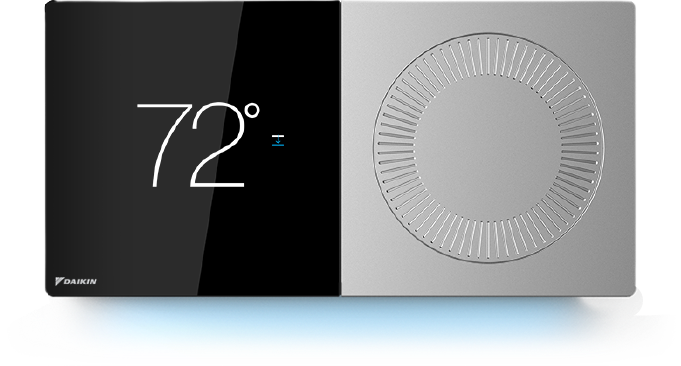
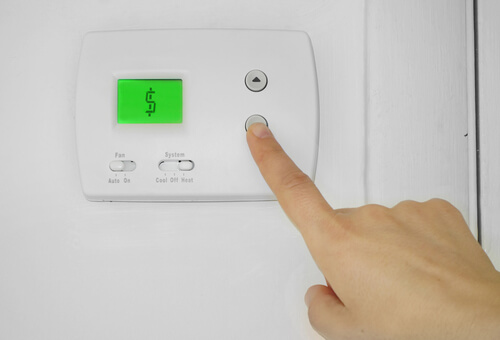
- Smart Thermostats and Zoning: Affordable add-ons that create meaningful energy savings for homeowners by preventing unnecessary system run time.
- Improved Insulation and Air Sealing: Not a heating system itself, but one of the easiest ways to reduce heat loss and boost overall home heating efficiency.
These upgrades help lower energy costs with minimal upfront investment and create a solid foundation for more sustainable HVAC solutions in the future.
Why Energy Efficiency Matters More Than Ever
Energy saving plays a major role in how well a home handles long Midwestern winters. Choosing green home heating options reduces energy waste, lowers utility bills, and helps cut emissions. These systems also maintain more stable comfort and tend to have longer lifespans, making them a practical choice for families planning ahead.
Modern Technologies Changing Home Heating
Advancements in renewable home heating have given homeowners across Wisconsin and Minnesota far more choices. These technologies are designed to perform reliably in demanding climates and support long-term sustainability goals.
- Heat Pumps: Both air-source and ground-source heat pump systems provide some of the most efficient home heating available today, offering reliable year-round temperatures.
- Solar Heating Systems: Solar-assisted heating reduces dependence on fossil fuels and pairs well with existing high-efficiency furnaces or heat pumps.
- Biomass Heating: Wood pellets and other biomass fuels offer a cleaner, renewable option for homeowners who enjoy a more traditional heating experience.
- Geothermal Systems: A geothermal heat pump uses the steady temperature beneath the ground to deliver stable, renewable, all-season heating and cooling.
Together, these technologies offer flexible, future-focused options for homeowners ready to transition toward renewable energy solutions.
How Geothermal Heating and Cooling Fits Into Green Home Design
Geothermal heating and cooling systems deliver some of the highest efficiency ratings in the industry by transferring heat from the earth instead of burning fuel. In regions like ours, where winter temperatures remain low for extended periods, geothermal systems perform reliably because underground temperatures remain stable year-round.
Local factors such as soil type, available yard space, and frost depth may influence the design of the installation, but once in place, geothermal provides year-round heating and cooling with exceptional efficiency and long-term sustainability.
Long-Term Savings and Sustainability Benefits
Choosing lower cost green options for home heating is one of the smartest, environmentally friendly home upgrades you can make, with benefits that continue to grow over time. Some of the most valuable long-term advantages include:
- Lower monthly heating and cooling costs
- Reduced greenhouse gas emissions
- Long equipment lifespan (up to 25+ years for indoor components, 50+ for ground loops)
- Increased home value
- Eligibility for federal and state renewable energy incentives
- Stable performance even in extreme winter conditions
- Reduced reliance on fossil fuels
These benefits make green heating upgrades a smart investment for homeowners looking to reduce long-term expenses while supporting a more sustainable energy future. To learn more or compare options for your home, contact Comfort by Design today
Frequently Asked Questions
High-efficiency furnaces, air-source heat pumps, ductless mini-splits, and insulation upgrades are typically the most budget-friendly ways to improve savings without replacing your entire system.
Yes. Modern cold-climate heat pumps are designed to perform well even when temperatures drop below zero, making them a strong option for homes across Wisconsin and Minnesota.
For many homeowners, yes. Geothermal systems offer major long-term savings through low operating costs, exceptional reliability, and minimal maintenance. Incentives often help offset installation expenses.
Most systems do. Heat pumps and high-efficiency furnaces typically integrate well with existing ductwork, though your home’s layout and duct condition may influence the final design.
Adding insulation, improving air sealing, installing a smart thermostat, using zoning controls, and staying on top of routine maintenance can significantly increase efficiency.
Renewable systems (like geothermal, solar-assisted heating, and biomass) use naturally replenished energy sources. Traditional systems rely on fossil fuels such as natural gas, propane, or fuel oil.