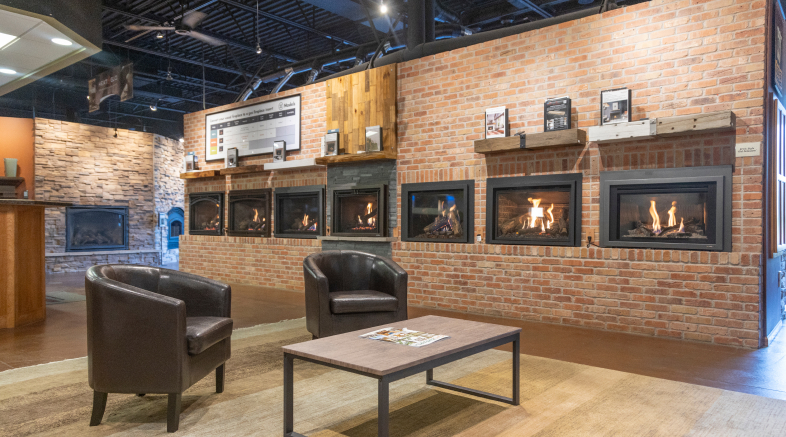




If you're unfamiliar with the industry, the words 'Gas Insert' can be confusing and daunting. We're here to help clarify this term and help you out as a buyer to prevent any confusion in the future!
A Gas Insert is a metal box that is professionally installed into an existing fireplace. They are retrofitted wood-burning fireplaces and similar to all other gas appliances, it relies on gas that is emitted from the firebox to produce heat. They're perfect for homeowners who're switching from wood-burning fireplaces for a much more efficient and easier to manage heating product.
What a Gas Insert Does
Gas Inserts are fueled by either natural gas or propane and burn a real flame that emulates the look of a traditional fireplace. A great thing about gas inserts is going without the struggles of chopping firewood, gathering kindling, starting a fire, or cleaning out residual ash that comes with a wood fireplace.
A gas insert is designed to convert an existing fireplace opening into a more efficient heat source. Instead of rebuilding the fireplace from scratch, the insert fits into the firebox and uses gas to produce a controlled flame, better heat output, and simpler day-to-day use. For homeowners with an older wood-burning fireplace, this is often one of the most practical ways to improve comfort without changing the entire room.
When a Gas Insert Makes Sense
Inserts are a middle option in terms of price but still provide you high-end heat and ambiance. They provide you less heat than a built-in gas fireplace but if you already have a preexisting fireplace that you're looking to renovate or modernize then an Insert would be best for you. It can also be a smart choice if you want easier operation, faster startup, and less cleanup than a traditional wood burning fireplace. In colder climates like Wisconsin and Minnesota, many homeowners choose inserts because they want dependable supplemental heat and a fireplace they can actually use regularly.
As you can see in the picture above, an insert put into a wood fireplace operated slightly differently than an insert put into a gas fireplace. A Gas Insert installed into a previously existing gas fireplace will have a combustion air intake while a previously existing wood fireplace doesn't.

Gas Insert Fuel Options
Most gas inserts are made for either natural gas or propane. Natural gas is common in homes with utility service, while propane is often used where natural gas is not available. The best fuel choice depends on your home’s setup, utility access, and the type of heating performance you want.
Gas Insert vs. Gas Fireplace
A gas insert is designed to fit inside an existing masonry fireplace, while a gas fireplace is typically a complete unit installed as a new system. That means a gas insert is usually the better choice when you want to upgrade an old fireplace without rebuilding the entire opening, while a gas fireplace is better for new construction or a full replacement project. For homeowners, the main difference is fit and function: inserts modernize what you already have, while gas fireplaces create a new fireplace system from the ground up.
Benefits of a Gas Insert
One of the biggest advantages of a gas insert is convenience. You can enjoy the look of a fire without chopping wood, hauling logs, or cleaning out ashes after every use.
Gas inserts also offer a more controlled fireplace experience, which is one reason many homeowners use them as a practical supplemental heat source. They’re a popular upgrade for people who want warmth, ambiance, and less maintenance in one system.
Gas Insert Installation and Safety
A gas insert should always be professionally installed so the fireplace, venting, and gas supply work together safely and correctly. The existing fireplace opening, chimney, and venting system all need to be evaluated before installation begins.
Because every home is different, a gas insert should be treated as a custom retrofit rather than a simple appliance swap. Professional guidance is especially important if you are updating an older fireplace or considering a conversion from wood to gas.
The Bottom Line
Overall a Gas Insert is perfect for those who have a pre-existing fireplace and are looking to modernize it. A Gas Insert is a relatively cheap option to greatly improve a previously underused utility in your home. It fits inside an older wood or gas fireplace to improve efficiency and heat in any room. You can find some Gas Inserts here on our website. If you are still confused about any of this don't be afraid to call us and get some clarification about what would be best for you at (800) 370-6545 or Request a Free Fireplace Quote here!
If you live in Ellsworth, Osceola, Hudson, or Hastings and are considering a fireplace installation or upgrade, a gas insert can be a practical way to improve comfort and reduce hassle. It is a strong option for homeowners who want a more efficient fireplace without rebuilding the entire space. Our local fireplace professional can help determine whether your existing fireplace is a good fit!
A quick spring AC tune-up can prevent costly repairs and keep your utility costs lower all summer. In Ellsworth and across Wisconsin and Eastern Minnesota, we see how quickly mild spring days can turn into hot, humid stretches, and once they do, your AC is working nonstop to keep up.
At Comfort By Design, we focus on helping you stay ahead of the season. We offer spring tune-ups, AC repairs, and full system replacements so you’re not dealing with breakdowns, rising energy bills, or uneven cooling when you rely on your system most.
Why a Spring AC Tune‑Up Matters
Spring is the ideal time to address AC issues before your system reaches full capacity. Across Wisconsin and Eastern Minnesota, weather can shift quickly from cool, rainy days to sudden heat and humidity, especially in river-adjacent areas like downtown Hudson and parts of Hastings.
Once those warmer temperatures settle in, your AC begins operating more consistently, and that’s when small problems can escalate.
Issues like dirty coils, low refrigerant, or a worn capacitor may seem minor now, but under peak demand, they can quickly turn into more serious and costly repairs.
No matter where you are in Wisconsin or Minnesota, a spring tune-up is one of the most effective ways to reduce those costs before they start adding up.
Reason 1 – Prevent Costly Breakdowns
Most major AC failures don’t happen suddenly; they develop over time. In Ellsworth, the county seat of Pierce County, where many homes have older systems and infrastructure, small issues can build gradually before becoming noticeable.
A spring tune-up helps identify issues like failing capacitors, worn contactors, or struggling blower motors before they lead to a full system breakdown. Addressing a single component early is typically far more cost-effective and far less disruptive than dealing with an emergency repair in the middle of summer.
Reason 2 – Lower Energy Bills All Summer
When your AC is clean and operating as it should, it doesn’t have to work as hard to cool your home, which leads to lower energy use and more manageable monthly utility bills. When issues like dirty filters, clogged coils, or low refrigerant are present, the opposite happens: your system runs longer just to maintain the same level of comfort, increasing both strain and overall energy consumption.
Over time, that extra runtime adds up. For homeowners across Wisconsin and Eastern Minnesota, a spring tune-up can help avoid those inefficiencies and make a noticeable difference once peak summer energy bills begin to arrive.
Reason 3 – Catch Small Issues Before They Become Major Repairs
Many of the most expensive AC problems begin as small, easily overlooked issues.
During a tune-up, we look for early signs of refrigerant leaks, loose wiring, faulty thermostats, and compressor strain. On their own, these may be relatively minor fixes, but if left unaddressed, they can lead to corrosion, mechanical failure, or even the need to replace the entire outdoor unit.
At Comfort By Design, we’re trained to catch these warning signs early and help you make the right call, whether that means handling a simple repair now or planning for a full AC replacement based on your system’s age and condition.
Reason 4 – Extend the Life of Your AC System
Your AC system is one of the largest investments in your home, so getting as many years out of it as possible matters. Routine maintenance plays a key role by reducing wear and tear on components such as the compressor, fan motor, and electrical parts.
In climates like Wisconsin and Minnesota, where systems often shift quickly from minimal use to running at full capacity, that added strain can take a toll. Staying consistent with annual tune-ups helps manage that transition and can add several years to your system's life.
For homeowners, that often means delaying a full AC replacement and getting more value from their existing system.
Reason 5 – Improve Comfort and Air Quality
A tune-up isn’t just about preventing problems; it also improves overall comfort in your home.
When your central AC system is operating properly, it restores balanced airflow, more even cooling, and better humidity control, so your home stays comfortable without constantly adjusting the thermostat.
Cleaning drain pans and replacing filters also helps reduce mold, dust, and airborne allergens, an important benefit during the hot, humid summers in the St. Croix Valley, where indoor air quality plays a major role in overall comfort.
How to Schedule Your Spring AC Tune-up with Comfort by Design
A spring tune-up from Comfort By Design covers all the essentials, including:
- Cleaning coils and checking filters
- Verifying refrigerant levels
- Inspecting electrical components
- Lubricating moving parts
- Testing overall system performance and safety controls
We proudly service homes throughout Ellsworth, Osceola, Hudson, and Hastings—from downtown districts and riverfront neighborhoods to surrounding rural communities.
Schedule your spring AC tune-up with us today to reduce breakdowns, lower your energy costs, and stay comfortable all summer. We also provide emergency HVAC repairs if you need them!
Schedule OnlineYour electrical panel may not be something you think about often, but it plays a major role in keeping your home safe and running smoothly. From powering appliances to protecting your wiring from overloads, the panel is the backbone of your electrical system—and when it can’t keep up, problems often show up throughout the home.
For many homeowners in Western Wisconsin and Eastern Minnesota, knowing when to replace your electrical panel helps prevent safety risks, frustrating power issues, and unexpected repairs. Replacing an outdated panel is a proactive step that improves reliability, supports modern electrical needs, and helps protect your home.
What an Electrical Panel Does
Your electrical panel sends power from the utility company to different parts of your home. The breakers inside help control that power and shut it off if there’s a problem.
When the panel is working properly, everything runs the way it should. When it’s outdated or overloaded, you may start noticing electrical problems in different areas of the home.
Signs You Need to Replace Your Electrical Panel in Wisconsin and Minnesota
There are several common warning signs homeowners should watch for. These issues don’t always mean immediate danger, but they do signal that your system may no longer be keeping up.
Frequently Tripping Breakers
If your breakers trip often, your panel may be struggling to handle your home’s electrical demand. This is one of the most common signs you need electrical panel replacement, especially in older homes.
Burning Smells or Scorch Marks
Any burning odor, discoloration, or scorch marks around the panel should be addressed right away. These are clear indicators of old electrical panel problems and can point to overheating or damaged components.
Flickering or Dimming Lights
Lights that flicker or dim when appliances turn on may mean your panel can’t properly distribute power. This often happens when systems weren’t designed for modern electrical loads.
Warm or Buzzing Panel
An electrical panel should never feel warm to the touch or make buzzing sounds. These symptoms can indicate loose connections or overloaded circuits.
Outdated Fuse Box
Fuse boxes are no longer considered adequate for today’s homes. If your home still relies on fuses instead of breakers, an electrical panel upgrade is strongly recommended.
Not Enough Amps for Modern Appliances
Many older homes were built with 60-amp or 100-amp service. Modern homes typically require 200 amps to power HVAC systems, kitchen appliances, and electronics safely.
How Old Is Too Old for an Electrical Panel in Wisconsin or Minnesota?
Most electrical panels are designed to last around 25 years. As panels age, internal components wear down and can struggle to handle today’s higher electrical demand.
Even if an older panel hasn’t caused noticeable issues yet, it may not meet today’s safety standards or support upgrades like new appliances, remodels, or electric vehicle chargers.
Safety Risks of an Outdated Panel
An aging or undersized panel can increase the risk of electrical hazards in your home. Potential risks include:
Overheating wires
- Electrical fires
- Shock hazards
- Power interruptions
- Failed home inspections
Replacing a problematic panel reduces these risks and helps protect your home and your family.
What to Expect During a Panel Replacement
A professional electrical panel replacement is typically a straightforward process when handled by a licensed electrician. The work usually includes:
- Inspecting your current electrical system
- Determining the proper panel size
- Installing a new panel and breakers
- Reconnecting existing circuits safely
- Completing required permits and inspections
In most cases, power is restored the same day, allowing homeowners to return to normal routines with improved reliability and peace of mind.
Why Western Wisconsin and Eastern Minnesota Homeowners Choose Comfort By Design
Comfort By Design provides trusted electrical services throughout Western Wisconsin and Eastern Minnesota, backed by over 25 years of hands-on expertise in local homes.
Homeowners choose our team for licensed technicians, code-compliant electrical panel upgrades, and clear, honest communication from start to finish. Whether you’re dealing with an aging panel or planning for future electrical needs, we deliver reliable service tailored to your home.
Schedule an Electrical Panel Inspection Today
If you’re unsure whether it’s time to replace your panel, a professional inspection can give you clear answers. Addressing issues early helps prevent safety concerns and expensive repairs down the road.
Contact us today to schedule an electrical panel inspection or learn more about your replacement options in Western Wisconsin and Eastern Minnesota. Our team is happy to answer your questions and take the time to help you understand what’s best for your home.
When the power goes out in the middle of summer—especially on those 90-degree days with heavy Midwest humidity—staying cool quickly becomes the priority. Homeowners across Western Wisconsin and Eastern Minnesota often wonder whether a generator can keep their air conditioner running.
The answer is yes, but only if it’s the right size. Choosing the right generator to run air conditioner systems safely depends on proper sizing, system type, and startup demands.
A unit that’s too small may struggle to start your system or shut down under load, while an oversized generator can cost more than necessary. Understanding how generator size relates to your air conditioner helps you make a smarter, more affordable choice.
Can a Generator Run an Air Conditioner in Wisconsin or Minnesota?
Yes, a generator can run an air conditioner, but whether it works reliably depends on the type of AC system and the generator’s capacity. Not all air conditioners have the same power needs, and not all generators are built to handle them.
Central Air Conditioners
Many homeowners ask, "Can a generator run a central AC system during an outage?" The answer is yes, but central air conditioners require significantly more power and careful planning to run reliably. They draw a large surge of electricity when they start up, then settle into a lower, steady demand while running. This startup surge is often where undersized generators struggle.
Window or Portable A/C Units
Window and portable units are much easier to power. These systems use significantly less electricity and are often compatible with smaller portable or inverter generators. They’re a common option for homeowners looking for basic backup power for AC in one or two rooms.
Mini-Splits
Ductless mini-split systems fall somewhere in between. They’re usually more energy efficient than central AC and don’t have the same high startup surge, making them more generator-friendly when properly sized.
What Size Generator Do You Need for an A/C in Wisconsin and Minnesota?
When asking what size generator to run my AC, it helps to understand two key terms: starting watts and running watts.
- Starting watts: The short surge of power needed when your AC starts up.
- Running watts: The steady power required to keep your AC running.
Air conditioners always need more power to start than to run, which is why generator sizing isn’t based on a single number.
In general, small window or portable air conditioning units require far fewer watts, making them easier to support with smaller generators. Mini-split systems usually fall into a moderate range, depending on size and efficiency. Central air conditioners typically require significantly higher wattage and may need a larger generator or additional equipment to manage the startup surge.
Because exact requirements vary, professional guidance is the best way to ensure proper sizing.
Types of Generators That Can Run an A/C Unit
Homeowners usually consider one of three generator types.
Portable Generators
Portable generators are a popular entry-level option. They can handle smaller AC units and some household essentials, but may struggle with central air. These generators require manual setup and fueling.
Standby or Whole-Home Generators
Standby generators are permanently installed and automatically turn on during an outage. They’re designed to support higher electrical loads and are often the best solution for homeowners who want reliable backup power for AC and other systems simultaneously.
Inverter Generators
Inverter generators provide cleaner, more stable power and are quieter than traditional portable units. They’re well-suited for window units, mini-splits, and sensitive electronics, but may not be sufficient on their own for larger central AC systems.
Benefits of Using the Right-Sized Generator
Choosing the correct generator size offers more than just cooling during an outage. It also helps with:
- Electrical safety: Reduces the risk of overloads or damage to your air conditioner and generator.
- System efficiency: Helps your generator run smoothly without unnecessary strain.
- Reliable comfort: Keeps indoor temperatures manageable during extreme heat.
- Equipment protection: Prevents premature wear on your generator and your AC system.
Proper sizing ensures your generator does its job without creating new problems.
Choosing the Right Generator for Your Wisconsin or Minnesota Home
Several factors influence generator selection, including the type and size of your air conditioner, whether you want to power additional appliances or systems, and how long or how often power outages occur in your area.
Fuel availability, storage preferences, and local electrical codes also play an important role in determining the right setup.
Why Professional Guidance Matters
Improper generator sizing or installation can lead to safety hazards, code violations, or costly equipment damage. Choosing a generator isn’t as simple as picking one up off the shelf—your air conditioner, electrical panel, and home layout all play a role.
Working with a licensed technician makes certain your generator is correctly matched, installed, and ready to perform when you need it.
Why Homeowners Choose Comfort By Design
Homeowners across Western WI and Eastern MN choose Comfort By Design for trusted guidance on generator recommendations and safe installation. With more than 25 years of experience, our team understands local climate conditions, electrical codes, and how to properly support air conditioning systems during outages.
We focus on solutions that prioritize safety, comfort, and long-term reliability without unnecessary upselling or confusion.
Find the Right Generator for Your A/C
Power outages can be frustrating, and in the heat, they can add extra stress. If you’re unsure what generator makes sense for your air conditioner, Comfort By Design is here to help. We’ll take the time to answer your questions and walk you through options that fit your home, so you’re not guessing when comfort matters most.
Contact us today to speak with a local expert about backup power for AC. We’re here to help you feel prepared and confident when the lights go out.
Do you ever walk from one room in your home and reach for a blanket, then step into the next and start shedding layers? You’re not alone. Many homeowners across Western Wisconsin and Eastern Minnesota deal with uneven temperatures, rising energy bills, and constant thermostat adjustments. That’s where zone control systems come in.
A zone control system allows different areas of your home to be heated or cooled independently. Instead of forcing the entire house to follow one thermostat, zoning puts comfort back in your hands—room by room, floor by floor.
Below are the top reasons more homeowners are choosing zone-controlled HVAC systems for better comfort, efficiency, and control.
What Is a Zone Control System?
A zone control system is an HVAC setup that divides your home into separate “zones,” each with its own temperature control. These zones are managed by dampers in the ductwork and multiple thermostats throughout the house.
Think of it like lighting controls: instead of turning every light on at once, you control each room individually. HVAC zoning works the same way, directing heating or cooling only where it’s needed.
Reason #1: Better Comfort Throughout Your Home
One of the biggest benefits of zone control systems is more consistent comfort. Zoning helps eliminate hot and cold spots by delivering conditioned air exactly where it’s needed.
Upper floors that get too warm, basements that stay chilly, or rooms with large windows can all be adjusted independently, no more fighting with the thermostat every time someone walks by it.
Reason #2: Improved Energy Efficiency
Traditional HVAC systems heat and cool the entire home at once, even rooms that aren’t being used. With a zone-controlled HVAC system, energy isn’t wasted on empty spaces.
Heating or cooling only occupied areas helps your system run more efficiently, especially in larger homes or homes with varying sun exposure. This is one of the most practical HVAC zoning system benefits for homeowners focused on smarter energy use.
Reason #3: Lower Monthly Utility Bills
Improved efficiency often leads to real savings. By reducing unnecessary heating and cooling, zoning can lower monthly utility bills over time.
While savings vary by home size and usage, many homeowners notice reduced energy costs because their system isn’t constantly operating at full capacity.
Reason #4: Personalized Temperature Control
Everyone’s comfort level is different, and not every space in your home needs the same temperature. With zoning, each area can have its own setting, making it easier to keep everyone comfortable without constant thermostat battles.
This is especially helpful in homes with finished basements that stay cooler year-round or upper floors that naturally trap warm air. Bedrooms, home offices, and guest rooms can also be adjusted based on how often they’re used and who’s in them.
Personalized comfort like this is one of the most appreciated benefits of zone control systems, particularly for households with multiple living spaces and schedules.
Reason #5: Reduced Wear and Tear on HVAC Equipment
When your HVAC system doesn’t have to heat or cool the entire house at once, it doesn’t work as hard. Zoning reduces unnecessary cycling, meaning your system isn’t constantly turning on and off to keep up with uneven temperatures.
Fewer starts and smoother, more efficient run times reduce stress on key components, such as the blower motor and compressor. Over time, this can extend the lifespan of your equipment and increase the value you get from your HVAC system.
When You Should Consider Adding a Zone Control System in your Western WI or Eastern MN Home
Zoning can be a great option if your home:
- Has multiple floors
- Experiences uneven temperatures
- Includes large open spaces or additions
- Has rooms that aren’t used regularly
- Has multiple comfort preferences under one roof
Many existing systems can be retrofitted with zoning, depending on ductwork and equipment.
Why Homeowners Choose Comfort By Design
Homeowners across Western Wisconsin and Eastern Minnesota choose Comfort By Design because we take the time to understand their homes and how they actually live in them. Zoning systems aren’t one-size-fits-all, and we believe comfort should feel natural, not complicated.
From honest recommendations based on your home’s layout to careful installation and long-term efficiency, our focus is on getting it right the first time. As a local team, we’re here to help you feel confident in your comfort—not upsold or overwhelmed.
Explore Zone Control Options for Your Home
If you’re interested in learning more about the reasons to have a zone control system, Comfort By Design is here to help. We’ll take a look at your home, explain your options, and help you decide whether zoning is the right fit for your comfort goals.
Contact us today to explore zone control options and request a personalized quote.
When it comes to cooling your home, many homeowners compare central air vs. heat pump systems because both provide whole-home cooling and connect to the same ductwork. At a glance, they can look and function very similarly, which naturally leads to questions about which option is the better fit.
Both are popular HVAC options for homeowners in Western Wisconsin and Eastern Minnesota. The right choice often comes down to how each system operates, how much energy it consumes, and whether you want cooling only or heating and cooling in a single system.
How Central Air and Heat Pumps Work
Before comparing benefits, it helps to understand how each system operates at a basic level.
How Central Air Works
A central air conditioning system cools your home by removing heat, not by bringing in outside air. The same indoor air is pulled in, cooled, and circulated back through your ductwork.
Refrigerant absorbs heat from indoor air and carries it outside, where it’s released. Because central air only provides cooling, it’s typically paired with a furnace for heating.
How Heat Pumps Work
For cooling, a heat pump works almost exactly like a central air conditioner. Both systems remove heat from inside your home and release it outdoors.
The difference isn’t in how they cool, but in what the system can do beyond cooling. Central air stops there, while a heat pump can reverse direction to provide heat by pulling warmth from the outdoor air—even when it feels cold—and moving it inside.
Benefits of Central Air in Western WI and Eastern MN
Central air systems remain a common choice in Western WI and Eastern MN, especially for homes with existing furnaces.
Strong Cooling Performance
Central air is designed for cooling, making it highly effective on hot, humid summer days. It delivers consistent temperatures throughout the home when paired with properly sized ductwork.
Reliable for Hot Summer Weather
When outdoor temperatures climb into the upper 80s and 90s, central air systems perform steadily and predictably. Many homeowners appreciate their reliability during extended heat waves.
Works Well With Existing Furnaces
If your home already has a furnace in good condition, adding or upgrading central air can be a straightforward option without changing your heating setup.
Benefits of Heat Pumps in Western WI and Eastern MN
Heat pumps are becoming a popular choice for homeowners seeking efficient, balanced comfort year-round.
Heating and Cooling in One System
Unlike central air, which only cools, heat pumps handle both heating and cooling. This makes them a practical option for homeowners who want a single system that adapts to changing seasons without relying on separate equipment.
Energy-Efficient Operation
One of the biggest advantages is heat pump efficiency. Because heat pumps transfer heat rather than generate it, they typically use less energy, helping many homeowners reduce overall energy use.
Consistent, Even Comfort
Heat pumps provide steady airflow and gradual temperature control, which can help maintain more even indoor temperatures and reduce noticeable hot or cold spots.
Which Option Is More Energy Efficient?
When comparing energy use, heat pumps typically come out ahead. Because they move heat rather than generate it, they often use less electricity overall, especially during spring, fall, and other mild-temperature periods.
Central air systems are efficient at cooling but rely on a separate heating system, which can increase total energy use across the year. For homeowners deciding which is—better heat pump or central air—that efficiency difference can affect monthly energy bills.
Cost Comparison: Central Air vs Heat Pump
Costs vary based on home size and installation needs, but general trends are worth knowing.
- Installation costs: Heat pumps usually cost more upfront
- Operating costs: Heat pumps tend to cost less over time
- Long-term savings: Heat pumps often lead to lower energy bills over time
Both systems can be cost-effective when properly sized and installed, so it’s important to look beyond upfront pricing alone.
Choosing the Best HVAC System for Your Western WI or Eastern MN Home
There’s no one-size-fits-all answer when it comes to comparing HVAC options for homeowners. The best choice comes down to how your home is built, what equipment you already have, and what matters most to you long term—comfort, efficiency, or simplicity.
A heat pump is often a good fit when:
- You want one system to handle both heating and cooling
- Energy efficiency and lower monthly bills are a priority
- Your home is well-insulated and sealed
- You’re open to replacing older equipment with a more modern system
Central air may be the better option when:
- You already have a reliable furnace in place
- Your primary need is strong, dependable cooling
- You prefer to keep heating and cooling as separate systems
- Your current setup makes adding central air easier
Both systems can perform well in extreme climates when properly sized and installed.
Why Homeowners Choose Comfort By Design
Comfort By Design brings years of hands-on experience installing and servicing both central air systems and heat pumps throughout Western WI and Eastern MN. Because we work with both options every day, our recommendations are based on real-world performance—not trends.
Our team takes the time to evaluate your home, explain your options clearly, and help you understand what will work best for your layout, existing equipment, and long-term comfort goals. Whether you’re upgrading an older system or planning for better efficiency, homeowners choose Comfort By Design for honest, pressure-free guidance, proper system sizing, and quality installation done right the first time.
Get Help Choosing the Right HVAC System
Still deciding between central air vs heat pump? You don’t have to figure it out alone. Comfort By Design can help you compare options, understand efficiency differences, and choose a system that fits your unique home.
Contact us today to schedule a consultation or learn more about HVAC installation and replacement services in Western Wisconsin and Eastern Minnesota.