



Blog
How to Put Out a Fire in a Fireplace: A Complete Safety Guide
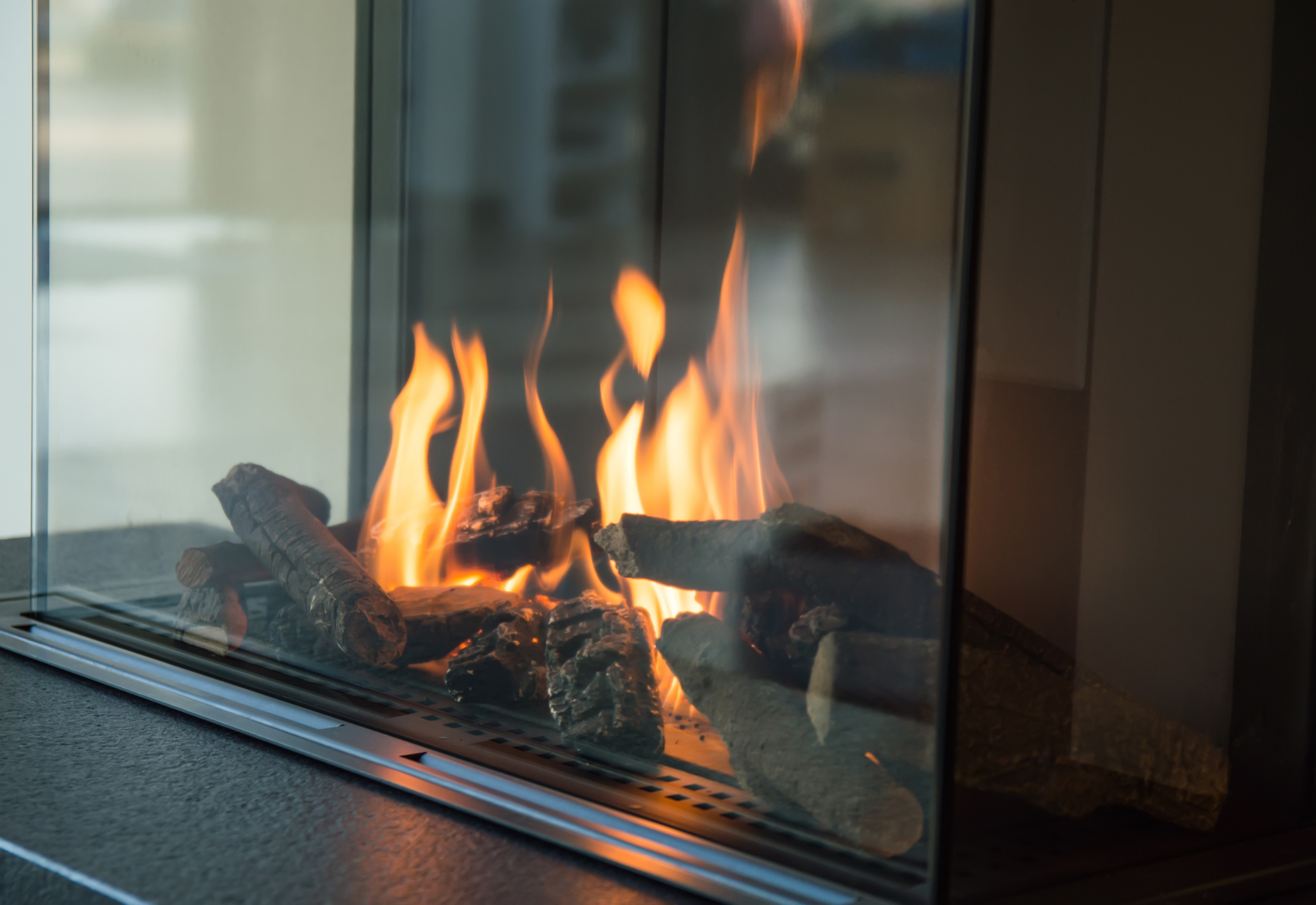
A fireplace can seem harmless once the flames die down, but hot embers can smolder for hours and reignite if not handled properly. Improperly extinguished fires are a serious cause of house fires.
This guide explains how to put out a wood-burning fireplace fire safely, what not to do, what to do if a fire gets out of control, and when professional fireplace services may be needed. Taking an extra 15–20 minutes to make sure the fire is fully out can help protect your home and family.
Essential Safety Precautions Before You Begin
Safety should be your top priority when extinguishing a fireplace fire. Keep the room ventilated, leave the damper open, and clear the area around the fireplace before you begin.
Keep these precautions in mind:
- Never leave the fire unattended.
- Keep children and pets at least three feet away.
- Move flammable items at least three feet from the fireplace.
- Keep a Class ABC fire extinguisher nearby.
- Wear heat-resistant gloves and protective eyewear.
- Keep the fireplace screen in place to catch sparks and embers.
Open a window slightly if needed to help smoke and carbon monoxide escape while the fire is burning or smoldering.
Step-by-Step: How to Safely Put Out a Fireplace Fire
Let the Fire Burn Down Naturally (If Time Permits)
The safest method is to let the fire burn down naturally until only embers and ash remain, which can take 1–3 hours. Stop adding logs 1–2 hours beforehand so the existing fuel can burn completely. Stay awake and monitor the fireplace until the fire is completely out.
Spread Out the Logs and Embers
Once only embers and small logs remain, use a fireplace poker to spread them across the firebox floor. Spreading the fuel helps it cool faster and reveals hidden hot spots. Move carefully and keep the fireplace screen in place.
Remove Ashes and Larger Embers
Use a fireplace shovel to place cooled ashes and embers into a metal bucket with a tight-fitting lid. Never use plastic, cardboard, or paper. Store the bucket outside on concrete, brick, or stone at least three feet from the home or other flammable materials.
Smother Remaining Embers with Baking Soda or Sand
Sprinkle baking soda or sand evenly over remaining embers to reduce their oxygen supply. Avoid large piles that can trap heat, and never pour water on hot embers because steam can cause burns and damage the firebox. If needed, use only a fine mist of water once the fire is fully out and the ash is cool.
Monitor and Verify Complete Extinguishment
Wait 15–20 minutes, then use heat-resistant gloves to check for warmth, glowing spots, or hissing. If heat remains, add more baking soda or sand and wait another 15–20 minutes. The fire is only out when there is no warmth, glow, or hissing.
Close the Damper (Only After Fire Is Completely Out)
Once everything is completely cold, close the damper to help prevent heat loss. Until then, leave it open so smoke, carbon monoxide, and fumes can escape up the chimney.
Closing it too early can trap dangerous gases inside the home.
What NOT to Do When Extinguishing a Fireplace Fire
Avoid these common fireplace safety mistakes:
- Do not pour water on an active fire: It can create dangerous steam, send hot ash into the room, and damage the firebox or chimney liner.
- Do not leave home or go to bed while a fire is burning: Even small embers can reignite.
- Do not place warm ashes in combustible containers: Ashes can remain hot for up to 72 hours.
- Do not use a household vacuum on ash: Hot embers can ignite the bag or motor.
- Do not close the damper too early: This can trap smoke and carbon monoxide.
- Do not rush: Give the fire enough time to cool completely.
These instructions apply to wood-burning fireplaces. If you have a gas fireplace, follow the manufacturer’s shutoff instructions instead.
If your fireplace is damaged or difficult to operate safely, professional fireplace repair can address the problem before you use it again.
What to Do If a Fireplace Fire Gets Out of Control
A fireplace fire can become uncontrollable if the chimney is clogged with creosote, the damper is closed, or the fire is too large for the firebox.
- Evacuate immediately: Get everyone, including pets, outside.
- Call 911: Do not attempt to fight a chimney fire yourself.
- Close doors and windows: This can help limit oxygen flow.
- Use an extinguisher only if safe: Use a Class ABC extinguisher only if the fire remains contained and evacuation is not delayed.
- Never use water: It can create explosive steam and damage the chimney.
Warning signs include loud roaring or rumbling, dense smoke, a glowing or vibrating chimney pipe, and intense heat from the fireplace.
Annual chimney inspections, cleanings, and fireplace maintenance can help reduce the risk of chimney fires.
When to Call a Professional Fireplace Service
Call a professional for heavy creosote buildup, recurring smoke problems, unusual odors, damaged components, ventilation problems, or signs of a previous chimney fire. A chimney sweep can check for creosote, blockages, structural damage, and ventilation issues.
If your current system is outdated or badly damaged, professional fireplace installation may be the better long-term solution. The National Fire Protection Association recommends annual chimney inspections for wood-burning fireplaces.
Comfort by Design provides fireplace services throughout Western Wisconsin and Eastern Minnesota. View our service areas or contact us today to schedule professional fireplace service.
Schedule Online