



Blog
How Long Does It Take to Install a Central HVAC system in Wisconsin and Minnesota
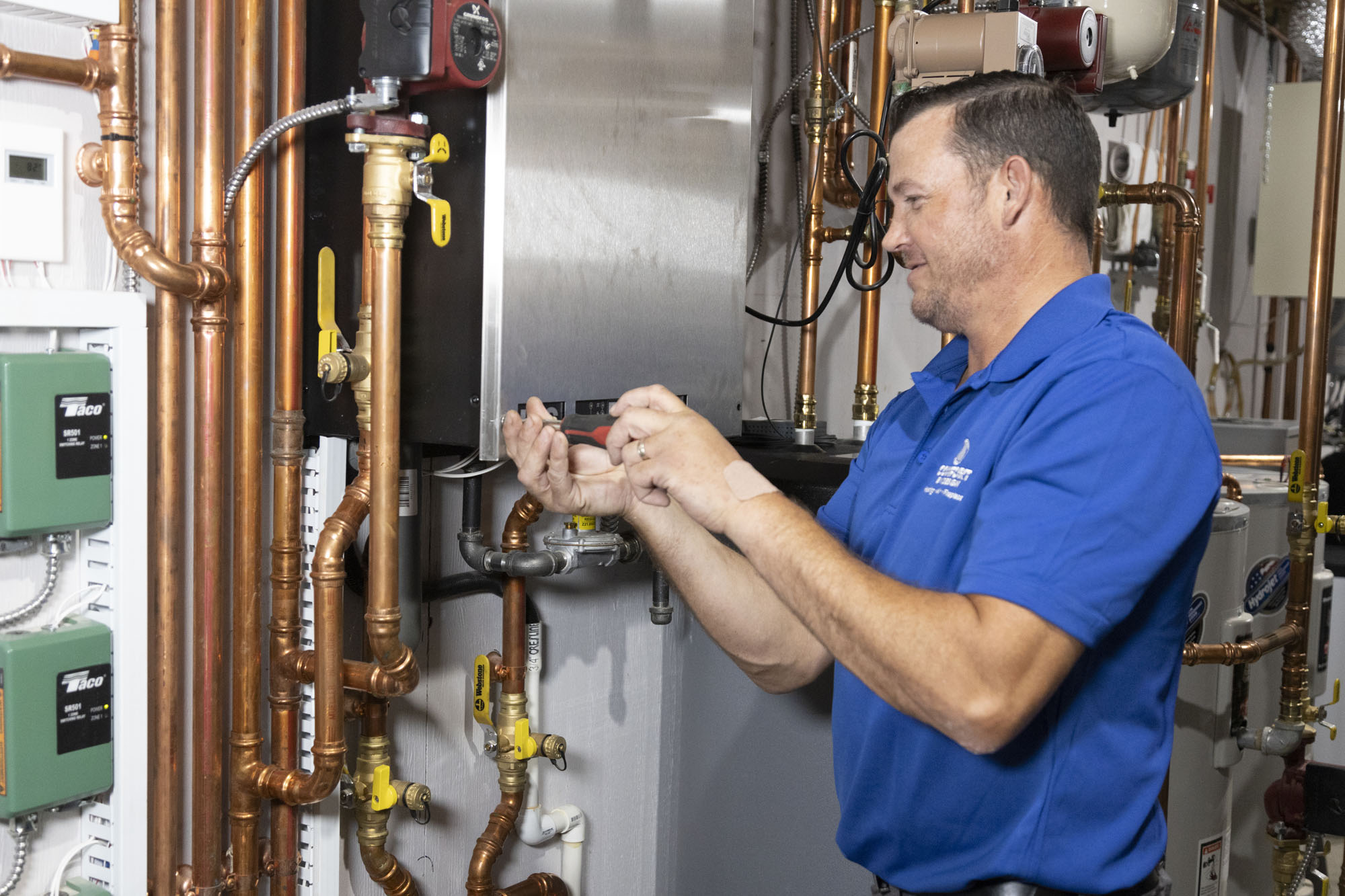
How Long Does it Take to Install a Central HVAC System?
Installing a new heating and cooling system is one of the most effective ways to improve comfort, boost efficiency, and create a healthier home environment. But before scheduling the service, many homeowners want to know one thing: how long does it take to install a central HVAC system?
The answer depends on system type, home layout, and whether ductwork needs modification, but most installations follow predictable timelines.
If you’re ready to take the next step toward a more comfortable home, contact Comfort by Design today to request your professional HVAC installation estimate.
Average Time to Install a Central HVAC System in Wisconsin & Minnesota
For most homes, HVAC installation time ranges from 1 to 3 days, depending on the project scope.
A typical average HVAC installation, where a similar system replaces the old one, takes about 6–10 hours.
Projects that involve additional work, such as ductwork installation, electrical upgrades, or switching to a different system type, usually extend the HVAC replacement timeline by 1–3 days.
Full installations for new construction or major remodels that require designing and installing an entire duct system may take 3–5 days.
This HVAC installation duration may also vary based on home accessibility, required inspections, and local weather conditions.
Step-by-Step HVAC Installation Process
A professional central HVAC installation follows a structured workflow to ensure safety, performance, and long-term reliability.
- Initial assessment & load calculation: Technicians determine the correct system size for your home.
- Old system removal: Disconnecting and safely disposing of the previous equipment.
- Ductwork inspection or installation: Repairing leaks, sizing ducts correctly, or installing new ductwork.
- Equipment placement: Setting the furnace or air handler indoors and the condenser or heat pump outdoors.
- Refrigerant line and electrical work: Connecting line sets, wiring, and breakers as needed.
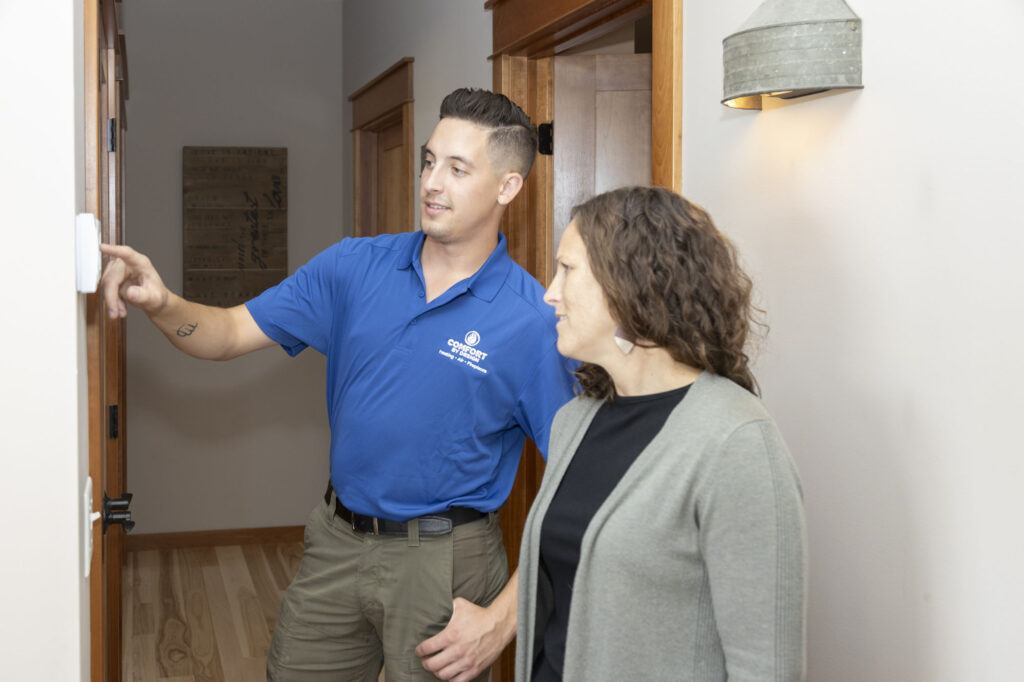
- Thermostat connection: Installing a new thermostat and integrating it with the system.
- Testing and startup: Running performance tests, checking airflow, and confirming refrigerant pressures.
- Final HVAC system setup: Ensuring the AC and heating setup is fully optimized for energy-efficient operation.
These central air installation steps help ensure your new HVAC system installation performs at peak efficiency from day one. This whole process is the same whether we’re installing systems in Ellsworth’s historic homes or newer builds in Hudson, WI, and Hastings, MN.
How to Prepare Your Home for HVAC Installation
You can help streamline the HVAC installation process by completing a few simple steps:
- Clear pathways to the furnace, air handler, and outdoor unit
- Move vehicles out of the driveway for equipment access
- Keep pets in a separate room during installation
- Remove fragile items near work areas
- Ensure someone is home to answer questions or approve decisions
- Review the installation checklist provided by your technician
Good home preparation for installation can reduce delays and help facilitate a smooth experience.
Common Delays During Installation and How to Avoid Them
While most HVAC installation duration estimates are accurate, several factors can extend the timeline. Common causes include:
- Ductwork issues: Leaks, undersized sections, or damaged materials often require repair or replacement before equipment can be installed.
- Electrical or gas line updates: Systems may need upgraded wiring, breakers, or gas lines to meet current code requirements.
- Hard-to-access installation areas: Tight attics, crawlspaces, or basements can slow down installation work.
- Permits and inspections: Local requirements can affect scheduling, especially if multiple inspections are needed.
- Regional climate factors: In regions such as Ellsworth, Osceola, Hudson, and Hastings, extreme winter temperatures or summer humidity can also affect scheduling and airflow adjustments.
Why Hire Professionals for HVAC Installation
A trained, certified HVAC team guarantees that your system is installed correctly. Professional HVAC installation provides:
- Accurate load calculations and system sizing
- Proper ductwork installation for balanced airflow
- Safe electrical and refrigerant connections
- Energy-efficient HVAC system setup
- Compliance with local codes and mechanical requirements
- Full system testing, inspection, and startup verification
Our team has extensive experience working with home styles throughout Ellsworth, Osceola, Hudson, and Hastings, ensuring that every system we install is appropriately sized and configured for our regional climate.
Schedule Your HVAC Installation Service Today
If you're planning a central HVAC installation, now is the ideal time to take the next step toward a more comfortable home. A properly installed system lowers energy costs, improves air quality, and delivers steady performance year-round, especially during peak heating and cooling seasons. Our Comfort by Design team is here to walk you through your options, answer your questions, and make sure your installation is handled with care from start to finish.
Contact us today to schedule your installation, request a detailed estimate, or get expert guidance on selecting the best HVAC system for your home.
Frequently Asked Questions
Most installations take 6–10 hours when replacing an existing system. Projects involving ductwork repairs, electrical updates, or major layout changes can extend the timeline to 1–3 days, while full installations in new construction may take 3–5 days.
Delays usually stem from ductwork issues, electrical or gas line updates, or tight installation spaces such as attics and crawlspaces. Weather conditions and local permitting requirements can also add time to the overall installation process.
You don’t need to be home the entire time, but it’s helpful to be present at the start to confirm equipment placement and at the end for a walkthrough of the new system, thermostat settings, and final testing.
If your system is unreliable, or in need of frequent repairs, replacement is often the better long-term investment. A new system provides more consistent comfort, lower energy costs, and fewer breakdowns, especially during extreme weather.