



Blog
SEER vs SEER2 Ratings: A Guide to Energy-Efficient Air Conditioners
In communities like Ellsworth, Hudson, Osceola, and Hastings—where seasonal extremes push HVAC systems to their limits—performance isn’t a luxury. It’s a necessity.
That’s where SEER and SEER2 ratings come in. These energy efficiency standards directly impact your comfort, energy bills, and system reliability. For homeowners focused on sustainability and smart investment, understanding them is key, especially when evaluating energy efficient air conditioners built for long-term performance.
In this article, you'll find the SEER rating explained, along with how SEER2 compares and what it means for your Wisconsin or Minnesota home.
What is SEER Rating?
The SEER rating, or Seasonal Energy Efficiency Ratio, measures how efficiently an air conditioning system cools your home over an entire season. In simpler terms, the SEER rating is a representation of the cooling capacity of an air conditioner in relation to the energy it consumes. Higher SEER ratings typically indicate energy-efficient air conditioning options that use less electricity while delivering consistent comfort.
Understanding SEER2 Ratings
As of January 1, 2023, the U.S. Department of Energy (DOE) introduced SEER2 (Seasonal Energy Efficiency Ratio 2) as the new standard for measuring HVAC efficiency. Replacing the original SEER system, SEER2 offers a more accurate reflection of how air conditioners and heat pumps perform in real-world conditions.
This update was designed to better represent performance across diverse climates—especially in areas like Western Wisconsin and southeastern Minnesota, where cold winters and humid summers create year-round demands on HVAC systems.
By factoring in external static pressure and utilizing updated testing methods, SEER2 provides homeowners in Ellsworth, Hudson, Osceola, and Hastings with clearer insights, better system comparisons, and greater confidence when investing in an energy-efficient air conditioning system designed for local conditions.
SEER vs. SEER2
While SEER2 is now the industry standard for measuring HVAC efficiency, the original SEER (Seasonal Energy Efficiency Ratio) is still relevant—particularly for systems manufactured before January 1, 2023. If your unit was installed before that date, its efficiency was likely rated using the SEER scale.
When comparing SEER vs SEER2, the biggest difference lies in how the systems are tested and rated for energy efficiency. SEER was based on ideal lab conditions, which didn’t always reflect how systems perform in real homes. SEER2 incorporates updated testing methods that account for external static pressure (the resistance created by ductwork and vents), offering a more realistic measure of performance and energy use.
It’s important to note that a SEER2 rating may appear lower than a SEER rating for the same system. This doesn’t mean it’s less efficient—it simply reflects the more accurate testing approach.
Why SEER & SEER2 Ratings Are Important for Wisconsin & Minnesota Homes:
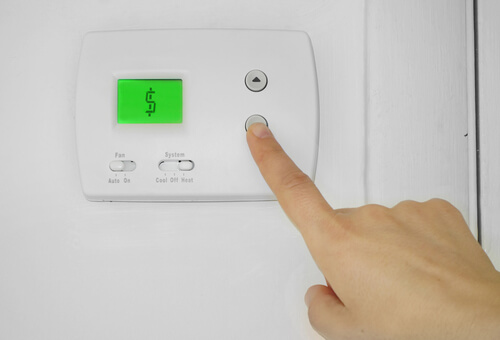
- Energy Efficiency: A higher SEER rating indicates a more energy-efficient air conditioner. By using less energy to provide the same level of cooling, you can reduce your energy consumption, ultimately lowering your electricity bills and minimizing the strain on the power grid.
- Environmental Impact: Air conditioners with higher SEER ratings are more eco-friendly because they consume less energy, which in turn leads to lower greenhouse gas emissions. By choosing a unit with a higher SEER rating, you are making a more environmentally responsible choice and contributing to the fight against climate change.
- Long-term Savings: Although air conditioners with higher SEER ratings may initially be more expensive, they can lead to significant long-term savings due to reduced energy consumption. Over time, the savings on your electricity bill can outweigh the initial cost difference, making the investment in a more energy-efficient unit financially beneficial.
Benefits of Upgrading Your Home A/C & Furnace Together
Compatibility
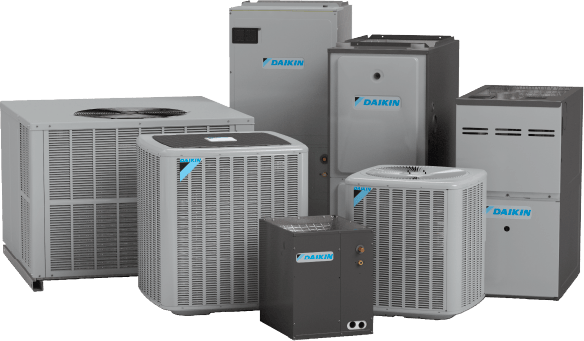
Upgrading your AC unit and furnace simultaneously can provide numerous benefits, particularly when it comes to SEER ratings and overall efficiency. When you replace both systems at the same time, you ensure that they are properly matched and designed to work together, optimizing their performance and energy use. This not only enhances comfort but also leads to significant savings on energy bills over time—especially when the system is professionally installed to maximize efficiency and lifespan.
Features
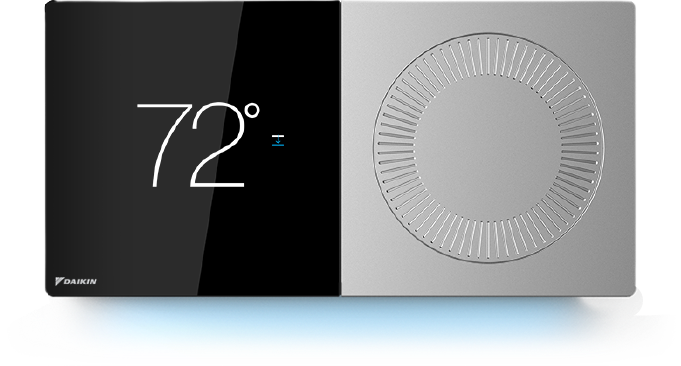
A higher SEER rating means that an air conditioner is more energy-efficient, consuming less power to cool your home. When you purchase a new, high-efficiency AC unit and furnace together, they are more likely to be compatible with the latest technologies and innovations. This includes features such as smart thermostats, variable-speed compressors, and advanced filtration systems. By investing in a matched system with high SEER ratings, you'll maximize energy savings and potentially extend the lifespan of both units.
Incentives
Additionally, when you replace both your AC unit and furnace at the same time, you can take advantage of potential rebates and incentives from manufacturers and utility companies. These offers often reward consumers for making energy-efficient upgrades, and combining the purchase of both systems may make you eligible for more substantial savings.
Conclusion
In Ellsworth, Hudson, Osceola, and Hastings, HVAC systems work hard year-round. That’s why understanding SEER and SEER2 ratings matters. They help you choose a system that delivers reliable comfort, energy savings, and long-term performance.
With SEER2 now the new standard, upgrading to a high-efficiency system is one of the smartest ways to stay ahead of rising utility costs.
Ready to learn more? Talk to the experts at Comfort by Design today. We’ll help you find a system that’s built for efficiency season after season.
Frequently Asked Questions
SEER stands for Seasonal Energy Efficiency Ratio. It measures how efficiently an air conditioning system or heat pump cools your home over an entire season, factoring in energy consumption. The higher the SEER rating, the more efficiently the system operates.
A good SEER rating depends on your climate and energy efficiency goals; however, a rating of 15 or higher is generally considered efficient for most homes. In regions like Ellsworth, Hudson, Osceola, and Hastings, a SEER2 rating of 14.3 or above for split systems is now the federal minimum, with high-efficiency models reaching into the 20+ range.
Yes—a higher SEER or SEER2 rating indicates greater energy efficiency. That means your system uses less electricity to maintain a comfortable home, resulting in lower utility bills and a reduced environmental impact.
SEER2 is the U.S. Department of Energy’s updated HVAC efficiency standard, introduced in 2023. It offers a more accurate reflection of how systems perform in real-world conditions.
Unlike its predecessor, SEER2 takes into account external static pressure (factors like ductwork and airflow resistance) that impact performance in actual homes. As a result, SEER2 ratings offer a more accurate representation of energy efficiency.