



Blog
How Can You Tell If Your Thermostat Is Bad?
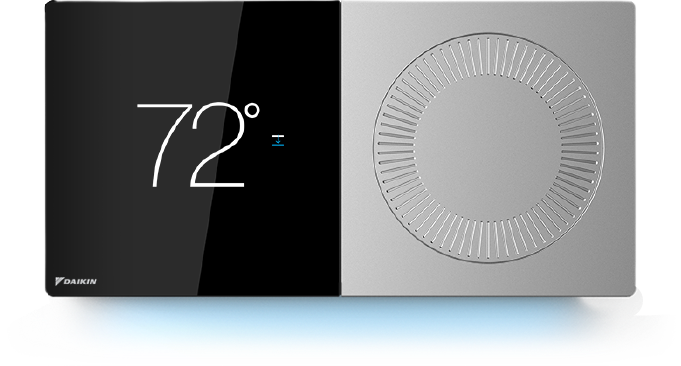
A faulty thermostat usually shows itself through a few clear warning signs. You might notice inconsistent temperatures, your HVAC system not turning on or off properly, a blank screen, short cycling, or temperature readings that don’t make sense.
In this blog, we’ll walk through the most common symptoms of a failing thermostat, a few simple checks you can safely try, and how to know when it’s time to call a Comfort by Design professional.
Common Signs Your Thermostat Might Be Bad
If you’re not sure the thermostat is to blame, take a look at the signs below and note how many match what you’re experiencing.
Inconsistent Temperatures Around Your Home
If some rooms feel too hot while others feel too cold, your thermostat may not be reading the temperature accurately. Another sign is when the number on the display doesn’t match how your home actually feels.
Keep in mind that duct issues, insulation gaps, or airflow problems can also cause uneven temperatures. However, a misbehaving thermostat is a common and often overlooked cause.
HVAC System Won’t Turn On or Won’t Turn Off
One classic sign of a bad thermostat is that adjusting the temperature does nothing. No click, no blower, no outdoor unit starting up.
The opposite can also happen. If your system runs almost nonstop and ignores temperature changes, that may point to wiring issues, stuck relays, or internal thermostat failure.
Short Cycling or Very Frequent On/Off Cycling
Short cycling means your system turns on, runs briefly, shuts off, and then repeats the process without ever reaching the set temperature.
A faulty thermostat can send confusing or inconsistent signals, causing the system to start and stop repeatedly. Over time, this can wear out components and increase energy bills.
Incorrect or Flickering Temperature Readings
If a separate thermometer shows a temperature that differs significantly from what your thermostat displays, the internal sensor may be failing or poorly positioned.
Erratic readings, flickering numbers, or sudden temperature jumps are also signs that something inside the thermostat may not be functioning correctly.
Blank, Frozen, or Unresponsive Thermostat Screen
Sometimes the signs are obvious. The display may go dark, freeze on one temperature, or stop responding to button presses or touchscreen inputs.
If the batteries are fresh, breakers are not tripped, and the thermostat remains unresponsive, the device itself may be failing.
Quick Checks to Try Before You Assume the Thermostat Is Bad
Before assuming the thermostat needs replacement, try a few simple checks. Just be sure to use caution and avoid opening electrical panels or handling wiring unless you are comfortable and the power is turned off.
Start with these basic steps:
- Replace the batteries if your thermostat uses them.
- Check that the circuit breaker for the HVAC system or thermostat is not tripped.
- Confirm the thermostat is set to the correct mode (heat or cool) and that the fan setting is appropriate.
- Gently clean dust around the thermostat and make sure it is not exposed to direct sunlight or blocked airflow.
Sometimes a small issue can mimic a larger failure.
When It’s the Thermostat vs. When It’s Something Else
In some situations, the thermostat really is the problem. This is more likely when the thermostat is older, frequently resets itself, has a dim or failing display, or doesn’t seem to respond consistently when you adjust the temperature.
One way technicians confirm this is by temporarily bypassing, or “jumpering,” the thermostat to see if the system starts running normally. If the furnace or air conditioner works as expected during that test, it’s a strong sign that the thermostat isn't sending the right signals. Because this involves low-voltage wiring, it’s best left to someone trained and comfortable working with HVAC controls.
That said, many comfort issues appear to be thermostat problems but are not. A dirty air filter can restrict airflow. A frozen coil can stop cooling. Low refrigerant or a failing blower motor can prevent proper heating or cooling.
A trained technician can quickly determine whether the thermostat is truly the issue or if something else in the system needs attention.
Should You Repair or Replace a Bad Thermostat?
In many situations, thermostat replacement makes more sense than attempting a repair. Today’s thermostats are relatively affordable, and upgrading often improves both comfort and energy efficiency right away.
You may want to replace your thermostat if:
- It’s older or no longer responding reliably.
- You’d like better scheduling, Wi-Fi access, or smart home features.
- You’re installing a new furnace or air conditioner and want full compatibility.
Many homeowners upgrading today choose smart models, such as a Honeywell or Nest thermostat, for improved scheduling, remote access, and energy management features.
It’s also important to make sure the wiring matches your equipment and that the thermostat is installed in the right location — not near drafts, sunlight, or heat sources that can affect readings. For those reasons, professional installation helps ensure the system works the way it should from day one.
Why Homeowners Call Comfort by Design for Thermostat Problems
Comfort by Design is a local, family-owned HVAC and electrical company serving Hudson, Ellsworth, Osceola, Western Wisconsin, and Eastern Minnesota. Check out all of our locations here. We handle thermostat troubleshooting, replacement, smart thermostat installation, and full system evaluations to make sure the issue is properly diagnosed the first time.
Thermostat problems often surface during Hudson’s sub-zero winter stretches or peak summer humidity, when your system is under the most stress. Addressing the issue early helps prevent unnecessary wear and protects the long-term performance of your heating and cooling equipment. We also provide maintenance plans as well as financing options to assist you in completing a big hvac purchase!
If your thermostat isn’t responding the way it should, schedule a service visit online or call our Hudson office at (715) 201-8407. Contact us today to get your system running reliably again.
Schedule Online