



Blog
What is the Difference Between a Geothermal and Standard Heat Pump for My Wisconsin or Minnesota Home
Winters in Wisconsin and Minnesota don’t take it easy on your home, and neither do the humid summers. That’s why more families are turning to heat pumps for efficient, year-round comfort. But the difference between a geothermal and standard heat pump starts with how they work.
Standard models pull heat from the outdoor air, while geothermal systems draw from steady underground temperatures. Both provide heating and cooling, but their performance and long-term costs differ.
At Comfort By Design, we’ve spent decades helping homeowners across the region weigh these options. We’re committed to guiding every family toward the system that truly fits their home, climate, and budget.
Understanding Geothermal Heat Pumps
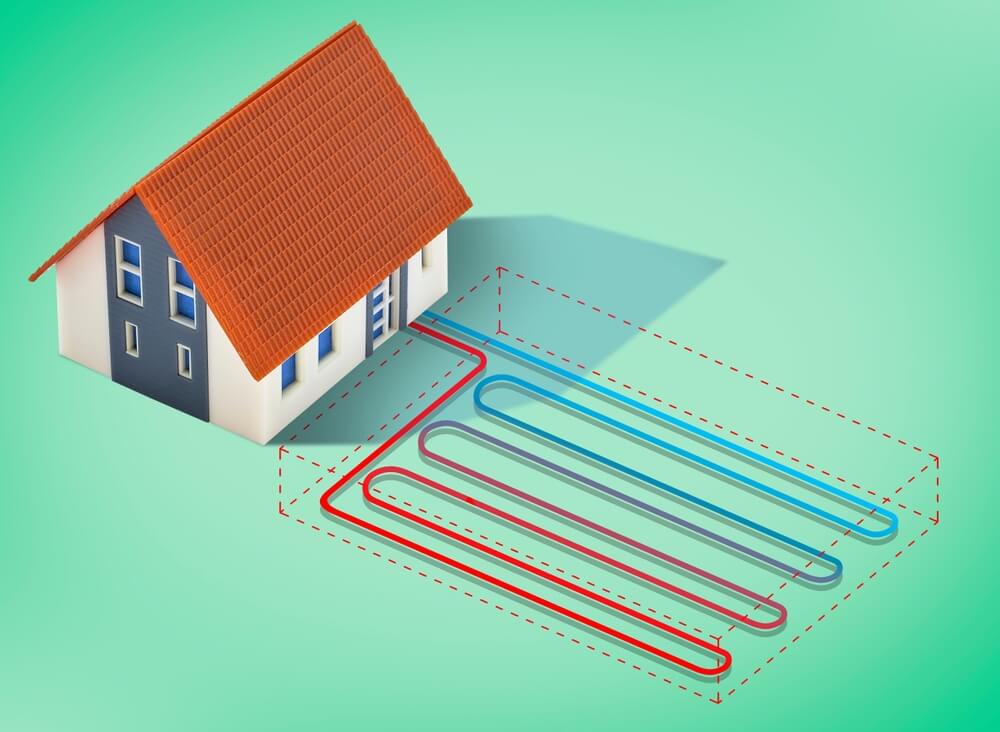
Geothermal heat pumps tap into the earth’s underground temperature. Instead of pulling heat from the air, they circulate fluid through underground loops that transfer energy to and from the soil. This stable source makes geothermal one of the most reliable options for homes in the Upper Midwest.
This technology is especially suited for:
- Rural Wisconsin properties: with space for ground loop installation
- Larger Minnesota lots: with room for horizontal or vertical loop designs
- Long-term planners: seeking lower utility bills
Each geothermal project starts with a tailored approach. Our team evaluates your lot size, soil type, and energy goals to design a system that delivers maximum results.
Exploring Standard Heat Pumps
Standard, or air-source, heat pumps transfer heat between your home and the outside air. In summer, they move warm air out; in winter, they draw heat in.
They’re especially popular for:
- Minnesota suburbs: where homes often already have ductwork in place, making installation straightforward
- Wisconsin households: seeking a simpler setup that still improves efficiency over older systems
With decades of experience in installing and maintaining air-source heat pumps, our technicians ensure that every system is appropriately sized, precisely installed, and supported with ongoing service so that families can count on dependable comfort year-round.
Comparing Efficiency and Costs
Both geothermal and standard heat pumps deliver savings, but they do so in different ways. Understanding how each system performs and what it costs helps you decide which is the better fit for your home.
Geothermal Cost
Geothermal heat pumps are among the most efficient systems available. With performance ratings often between 3.0 and 5.0 COP (Coefficient of Performance), they deliver three to five units of heating or cooling for every unit of electricity used. Homeowners benefit from lower utility bills, consistent comfort, and long-term value. The drawback is a higher upfront investment, since underground loop installation requires more resources.
Standard Heat Pump Cost
Air-source heat pumps cost less to install, making them a more budget-friendly choice upfront. They still offer energy savings compared to older furnaces or ACs. But in extreme cold fronts, they often switch to backup heat, which uses more energy and can raise winter utility costs.
Comfort By Design offers flexible financing plans that allow you to spread payments over time. With options to fit a variety of budgets, it’s easier to manage upfront costs while enjoying the long-term savings of an efficient system.
Performance in Wisconsin and Minnesota Climates
In Wisconsin and Minnesota, performance hinges on how well a system handles tough conditions. The real question is which system you can rely on when temperatures plunge or spike.
Geothermal Performance
Geothermal heat pumps provide consistent indoor temperatures by drawing energy from the ground, which remains stable year-round. That consistency makes them especially effective during Minnesota’s harsh winters and Wisconsin’s variable seasonal swings. Even when outdoor temperatures plummet, underground conditions remain consistent.
Standard Heat Pump Performance
Air-source heat pumps perform well in mild weather, but as temperatures dip into the negatives, they can struggle. In Ellsworth, WI, Osceola, WI, Hudson, WI, and Hastings, MN, homeowners may notice them relying on auxiliary heat to stay comfortable. While still productive, their operation depends more on outdoor conditions.
Our team draws on local climate data and experience to recommend the best system for your home. Whether geothermal or standard, we maintain the temperatures you rely on through the Upper Midwest’s toughest seasons.
Maintenance and Environmental Impact
Heat pumps differ not only in their operation, but also in their maintenance requirements and environmental impact.
Geothermal Impact
Geothermal systems are low-maintenance and long-lasting. With underground loops protected from the elements, they need little upkeep and can operate for years. Their performance also helps lower energy use, making them especially appealing to eco-conscious homeowners across Wisconsin and Minnesota.
Standard Heat Pump Impact
Because their outdoor components face snow, ice, and temperature swings, air-source systems need regular upkeep (like coil cleaning and filter replacement) to stay performant. Their moderate energy use makes them well-suited for urban and suburban properties, where there may not be enough space for geothermal loops.
No matter which system you choose, Comfort By Design offers maintenance plans to protect your investment. From seasonal tune-ups to proactive care, our technicians ensure your heat pump operates smoothly, allowing your system to deliver comfort and long-term energy savings.
Why Choose Comfort By Design for Heat Pumps
Some homes are better suited for geothermal systems, while others benefit more from standard heat pumps. If you’ve been wondering about the difference between a geothermal and standard heat pump, Comfort By Design has the experience to help you choose the right fit.
For over 25 years, we’ve worked with homeowners across Wisconsin and Minnesota—from farmhouses in Ellsworth to family homes in Hastings. Our team is familiar with the region's soil, housing styles, and climate characteristics, and we design systems that perform reliably from season to season. Schedule your consultation today for expert installation and ongoing care.