



Blog
Can You Convert a Gas Fireplace to Wood Burning in Wisconsin & Minnesota?
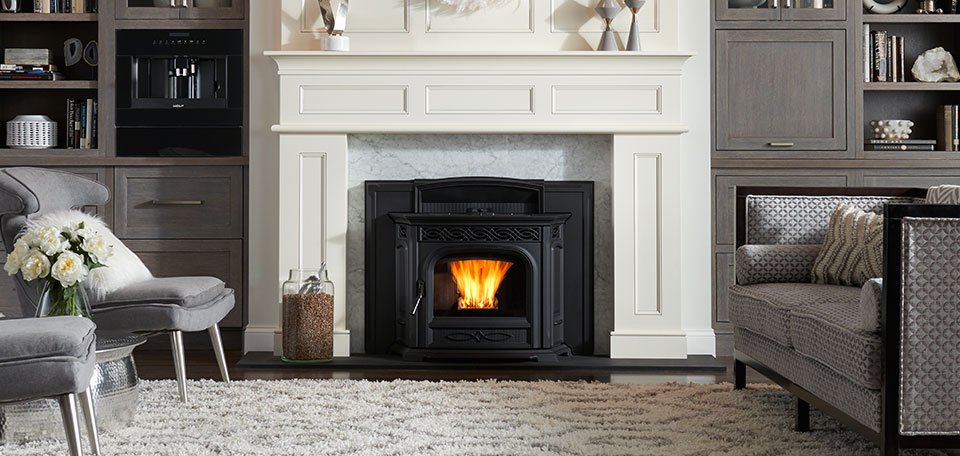
There’s something timeless about a crackling wood fire — the sound, the glow, the tradition. It’s no surprise that many homeowners ask, "Can you convert a gas fireplace to wood burning?", especially if their home already has a gas fireplace installed. In Wisconsin and Eastern Minnesota, this question often comes up as homeowners weigh ambiance, heat style, and long-term practicality.
While conversion may be possible in some situations, it isn’t a simple swap. The answer depends on how your fireplace is built, how it’s vented, and what local codes require.
Is It Possible to Convert a Gas Fireplace to Wood Burning?
A gas-to-wood fireplace conversion may be possible, but it depends heavily on your existing setup. Many gas fireplaces aren’t designed to support safe wood burning, and local building codes in Wisconsin and Eastern Minnesota play a major role in this.
Professionals typically evaluate:
- Fireplace structure and firebox design
- Whether a proper chimney is present
- Venting and clearance requirements
- Safety and indoor air quality considerations
In many homes, a full wood-burning fireplace conversion requires significant structural changes.
Gas Fireplaces vs Wood-Burning Fireplaces
Understanding the differences helps set realistic expectations before deciding to convert a gas fireplace to a wood-burning one.
Gas fireplaces are designed for convenience and efficiency. They provide steady heat with minimal upkeep and easy operation.
- Easy on/off use
- Lower maintenance
- Consistent heat output
- Higher fireplace efficiency
- Cleaner for indoor air quality
Wood-burning fireplaces offer a more traditional, hands-on experience. The ritual and sound are part of the appeal, but they require more involvement.
- Classic ambiance and crackling sound
- Hands-on operation
- Higher maintenance needs
- Variable heat output
- Ongoing chimney care
While wood fires offer charm, they also come with greater responsibility.
What’s Required to Convert a Gas Fireplace to Wood Burning in Wisconsin & Minnesota?
Converting a gas fireplace isn’t just about changing the fuel source. Wood-burning fireplaces operate at higher temperatures and produce smoke and creosote, making safety and code compliance critical.
Fireplace Structure and Firebox
A proper firebox is essential for safe wood burning. Many gas fireplace units aren’t built to withstand the higher temperatures of a wood fire and often lack the depth and fire-rated materials required. In these cases, a fireplace insert or a complete firebox rebuild may be necessary.
Chimney and Venting Requirements
Wood-burning fireplaces require a chimney system designed to carry smoke and gases safely out of the home. A compliant setup typically includes:
- A full-height chimney
- A properly sized chimney liner
- Approved venting for airflow and heat
Without these elements, conversion is not considered safe or code-compliant.
Costs and Considerations Before Converting
Converting a gas fireplace to a wood-burning fireplace is a bigger commitment than many homeowners expect. Beyond the initial work, wood-burning fireplaces entail ongoing responsibilities that affect both costs and long-term ownership.
Before moving forward, homeowners should consider:
- Structural upgrades and chimney installation: Conversions often require chimney work, firebox modifications, or a wood-burning fireplace insert.
- Ongoing maintenance and cleaning: Regular ash removal, chimney inspections, and professional cleanings are necessary for safe operation.
- Firewood storage and handling: Wood must be sourced, appropriately stored, and carried into the home, which requires space and ongoing effort.
- Long-term safety and insurance considerations: Wood-burning systems may involve stricter safety requirements and can affect insurance inspections or coverage.
While pricing varies by home, converting a gas fireplace to a wood-burning one is often more involved and more costly over time than many homeowners initially anticipate.
Pros and Cons of Converting to a Wood-Burning Fireplace in Wisconsin & Minnesota
For some homeowners, the appeal of a wood-burning fireplace is immediate. For others, the added responsibility gives pause. Understanding both sides can help clarify whether converting makes sense for your home and lifestyle.
Pros of converting to a wood-burning fireplace:
- Classic ambiance
- Radiant-style heat
- Traditional look and feel
- Can provide heat during power outages
Cons of converting to a wood-burning fireplace:
- Higher maintenance
- Chimney inspections and cleaning
- Indoor air quality impact
- Stricter safety and building regulations
For many homeowners, these trade-offs ultimately determine whether a wood-burning fireplace fits their expectations and maintenance tolerance.
Why Professional Guidance Matters
Converting to wood burning involves structural, ventilation, and safety factors that aren’t always visible at first glance.
A licensed professional ensures:
- Your home meets local Wisconsin and Eastern Minnesota codes
- Venting and fireplace efficiency are properly addressed
- Safety risks are identified before installation
Professional evaluation can also help determine whether a fireplace insert or an alternative upgrade makes more sense than a full conversion, saving time, cost, and unnecessary disruption.
Why Wisconsin & Minnesota Homeowners Choose Comfort By Design
Comfort By Design works with homeowners throughout Western Wisconsin and Eastern Minnesota to evaluate fireplace options honestly and safely. With more than 25 years of regional experience, the team understands how local climate conditions affect fireplace performance, safety, and efficiency. Our reviews speak for themselves!
Whether that means converting, upgrading, or leaving an existing system as-is, the goal is clarity and confidence, not selling an unnecessary upgrade. Financing options are available when applicable. The Comfort By Design membership plan also supports ongoing inspections, maintenance, and long-term system care.
Is Converting Your Fireplace the Right Choice?
For some homes, converting to wood burning makes sense. For others, upgrading an existing gas fireplace offers better efficiency, lower maintenance, and dependable long-term comfort. The right choice depends on your home’s structure, how you plan to use your fireplace, and what fits your lifestyle.
If you’re considering a wood-burning fireplace conversion or wondering whether you can convert a gas fireplace to wood-burning in Wisconsin or Eastern Minnesota, guidance from Comfort By Design can clarify the decision.
Contact us today to schedule a professional fireplace evaluation and explore safe, practical options for your home with a team you can trust. Find out about our service areas, as we have several locations across two states.
Schedule Online